
Pain control has been our major focus for the past 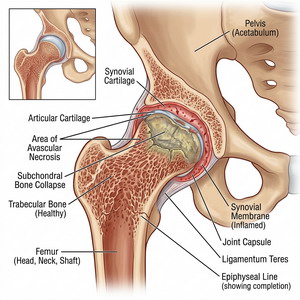 few weeks as Ellen’s hip degeneration has progressed. Unlike simple osteoarthritis, she has avascular necrosis, a rapid breakdown of bone due to a loss of the blood supply to the bone. Her surgeon has told her not to use any opioid drugs before surgery as this will decrease their effectiveness after surgery. Since then, she started with a Tylenol and an ibuprofen every four hours
As that started not being enough, we then added in lots of CBD. When that also was not enough, a friend of ours broug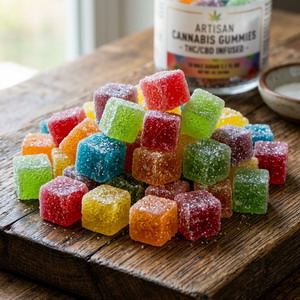 ht over several different THC-containing gummies to try. Some of them helped quite a bit while others did nothing. For Ellen, the ratio of CBD to THC really makes a difference. Hopefully, you do not have to deal with this level of pain. Personally I am not a fan of any sort of pain. So naturally, I thought pain would be a good subject for a newsletter.
Why the Best Pain Relief Comes from Using the Right Combination of Tools
If you’ve struggled with back pain, neck pain, arthritis, sciatica, or sore muscles, you’ve probably wondered:
“What’s the best treatment for pain?”
After decades of research, we’ve learned there usually isn’t one magic solution. Chronic pain is influenced by many different factors. It isn’t just about muscles, joints, or nerves. Inflammation, sleep, stress, nutrition, movement, and even the way your brain processes pain all play important roles.
That’s actually good news. It means there are many ways to help reduce pain.
Instead of searching for one miracle cure, I encourage my patients to build a Personal Pain Toolbox—a collection of simple, evidence-based strategies that work together to help you feel and function better.
Tool #1: Keep Moving
When something hurts, our first instinct is often to stop moving. While brief rest may help after an injury, prolonged inactivity usually makes chronic pain worse.
- Gentle movement helps:

- Keep joints lubricated
- Improve circulation
- Reduce stiffness
- Strengthen supporting muscles
- Calm the nervous system
Walking, stretching, swimming, chair exercises, resistance training, or physical therapy can all help. The goal isn’t to push through severe pain—it’s to keep your body moving safely.
Motion truly is lotion for your joints.
Tool #2: Feed Your Body’s Natural Anti-Inflammatory System.
Many painful conditions involve chronic, low-grade inflammation. While medication can reduce infla mmation, your daily food choices influence it as well.
One of the best ways to calm inflammation is to eat foods rich in polyphenols—natural plant compounds that help protect our cells from oxidative stress and regulate inflammatory pathways.
Excellent sources include:
- Green tea
- Berries
- Extra virgin olive oil
- Colorful vegetables
- Cocoa
- Pomegranates
- Herbs and spices such as turmeric, ginger, rosemary, oregano, and cinnamon
Green tea deserves special mention because it contains EGCG, one of the most extensively studied polyphenols for supporting healthy inflammatory balance.
At the same time, reducing highly processed foods, sugary beverages, refined carbohydrates, and deep-fried foods may help lower the body’s overall inflammatory burden.
No single food cures pain, but over weeks and months, an anti-inflammatory eating pattern can become one of the most powerful tools in your toolbox.
Tool #3: Use Heat and Ice/cold Wisely
Heat and ice each have their place.
Heat is usually best for:
- Tight muscles
- Stiff joints
- Neck pain
- Low back pain
Heat improves circulation and helps muscles relax.
Ice/cold works better for:
- Swelling
- Recent injuries
- Pain that flares after activity
- Inflamed joints
Use heat first to bring blood to the area to flush out inflammatory chemicals, then use cold to reduce the swelling, including the swelling caused by using the heat. Never use ice on the spine, only cold. Generally 15 minutes of heat followed by 15 minutes of cold every 2 hours works well for most people.
Tool #4: Calm Your Nervous System
Pain is more than damaged tissue. Your nervous system also controls how loudly pain signals are amplified.
Poor sleep, stress, anxiety, and fatigue can all increase pain sensitivity.
Simple practices such as diaphragmatic breathing, meditation, prayer, guided relaxation, hypnosis, and mindfulness help quiet an overactive nervous system. They don’t mean the pain is “in your head.” They simply help your body’s built-in pain-control systems work more effectively.
Never underestimate the value of a good night’s sleep. Better sleep often leads to less pain the next day.
Tool #5: Use Technology to Your Advantage
Several home therapies can help reduce pain witho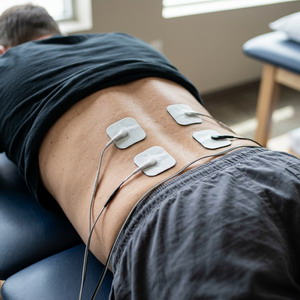 ut medication.
A TENS (Transcutaneous Electrical Nerve Stimulation) unit works by interfering with pain signals traveling to the brain.
Electrical acupuncture point stimulators are another option that many patients find helpful.
Some patients also benefit from DENAS (Dynamic Electrical Neurostimulation), an adaptive electrical stimulation device developed in Russia that automatically adjusts its electrical output based on the skin’s response.
Other technologies showing encouraging results include:
- Pulsed Electromagnetic Field (PEMF) therapy
- Red and near-infrared light therapy
While these therapies aren’t cures, many people find they become valuable additions to their pain toolbox.
Tool #6: Hands-On Therapies
Sometimes painful joints and muscles simply need h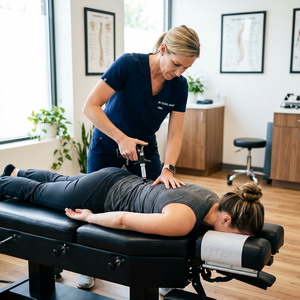 elp moving normally again.
Depending on your condition, helpful treatments may include:
- Gentle instrument-assisted chiropractic adjustments
- Myofascial release such as Gua Sha
- Acupuncture
- Massage therapy
These approaches often reduce muscle guarding, improve joint mobility, and decrease pain without relying on medication.
Tool #7: Protect Your Body
Sometimes reducing pain means reducing unnecessary stress on painful tissues.
Helpful strategies include:
- Supportive footwear
- Ergonomic workstations
- Proper lifting techniques
- Supportive pillows
- Braces when appropriate
- Walking sticks or canes if balance or painful joints require them
These are not signs of weakness. They’re tools that help your body work more efficiently while it heals.
Tool #8: Consider Natural Pain Relievers
Some patients find additional relief from natural the rapies such as CBD or topical preparations like DMSO.
CBD appears to help some people by supporting the body’s own systems that regulate pain, inflammation, and sleep. While research is still evolving, many patients report that full-spectrum CBD products containing a very small amount of THC provide better results than CBD alone. The amount of THC in these products is typically too low to produce the “high” associated with marijuana, but it may enhance CBD’s effectiveness for some individuals.
Topical DMSO has also been used for many years to h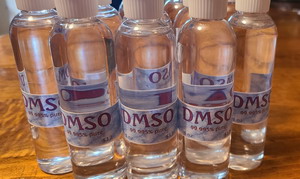 elp reduce pain and inflammation in muscles and joints. Although scientific research is more limited than for some other therapies, many patients report meaningful relief, particularly when it is used as one part of a comprehensive pain-management program.
As with any supplement or natural product, quality matters. Choose products from companies that provide independent third-party testing, and let your healthcare provider know about any supplements you are taking, especially before surgery or if you take prescription medications.
Tool #9: Understand Your Pain
Knowledge is a powerful form of treatment.
Pain is your body’s alarm system. Sometimes the alarm accurately signals an injury. Sometimes, especially with chronic pain, the alarm system becomes overly sensitive and continues sounding long after tissues have begun to heal.
Understanding this can reduce fear, improve confidence in movement, and help break the cycle of chronic pain.
Your Toolbox Is Personal
No single treatment works for everyone.
One person may benefit most from exercise and massage. Another may discover that acupuncture, PEMF, and better nutrition make the biggest difference.
Think of pain like a bucket being filled from several faucets. One faucet may be inflammation. Another is poor sleep. Another is muscle tension. Another is joint wear and tear. Stress, inactivity, and nervous system sensitivity can all add to the flow.
You may not be able to turn off every faucet, but every one you partially close lowers the water level.
 That’s the goal of your Personal Pain Toolbox.
Each tool may reduce pain by only a small amount. But when several effective tools are used together, those small improvements often add up to something much bigger.
Instead of asking, “What’s the one best treatment?” start asking, “Which combination of tools helps me feel and function my best?”
That shift in thinking can be the beginning of taking back control over chronic pain.
Take care,
David
Images produced in Google Flow
Ellen
Tuesday night we were crushed to learn that Ellen’s sur gery had been posponed because they were concerned that she might bleed too much because she had taken nattokinase as a supplement. We explained to them that she had not used the nattokinase for over a month and they decided to only pospone the surgery for another week.
|
|
|
|
Home-based assessment for mobility risk
A simple set of metrics has been assembled and trialed to determine your likelihood of developing mobility struggl es. Age, sex, BMI, sit-to stand test, diet quality, and dietary calcium intake, when run through their AI can predict your future mobility issues.
___________________________
~David DeLapp
_____________________________________
Finger prick blood test to screen Alzheimers
Early detection is key to slowing Alzheimer’s. Now researchers have demonstrated that key bio-markers that fin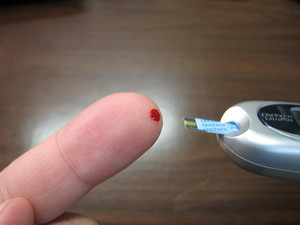 d Alzheimer’s early can be obtained with at-home finger prick blood tests.
____________________________
“The only safety is through listening, trusting, and acting on life’s directions. “
~David DeLapp
________________________________________
Single dose of LSD shown to greatly improve major depressive disorder patients
A recent study of 100 microgram dose of LSD on 1 49 depressed patients showed great improvement in their symptoms.
________________________
“Learn and let go. Our life stories are to learn from and then let go, not identify with. To hold on is to stop our growth. This is the real reason for forgiveness.“
~David DeLapp