|
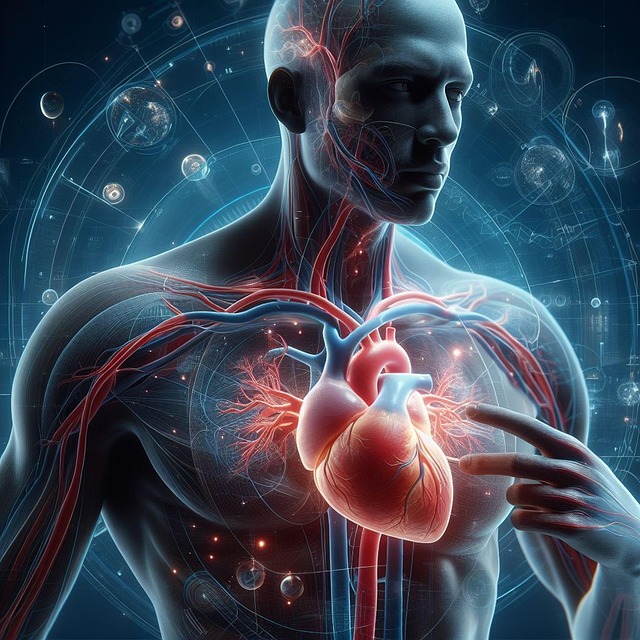
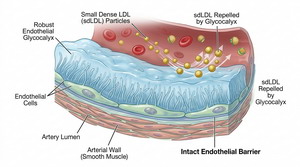
Deep inside every artery in your body is a delicate, gel-like Here’s why this matters: research increasingly sugges The encouraging news? Unlike hardened plaque, early glycocalyx damage appears to be reversible. The everyday choice What Wears This Layer Down?Before talking about protection, it helps to understand
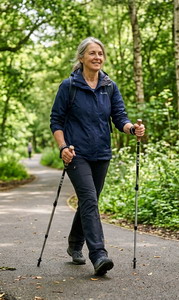
The good news is that essentially every item on this list responds to lifestyle change — often faster than most people expect. Five Actions You Can Take1. Move Regularly (Not Just Occasionally) Of everything studied, regular moderate aerobic activity has the most consistent evidence for actually rebuilding this protective layer. Walking, cycling, swimming, or similar activities create a healthy, rhythmic flow of blood that appears to sw One nuance worth knowing: a single bout of extremely intense exercise (think finishing a marathon undertrained) can temporarily stress this layer. It’s the steady, moderate, consistent pattern — not occasional heroic efforts — that builds lasting protection. Practical takeaway: Aim for 30 minutes of moderate activity most days of the week. Consistency matters more than intensity. 2. Flatten Your Blood Sugar CurveSince glucose spikes are one of the fastest-acting triggers of damage, smoothing out those spikes is one of the mos Practical takeaway:
3. Rethink Your FatsLarge amounts of refined seed oils (common in fried and packaged foods) tend to push the body’s inflammator There are two forms worth knowing about. EPA and DHA are the long-chain forms found in fatty fish, and these are the forms with the most direct evidence for supporting vascular health. ALA, found in flaxseed, chia, and walnuts, is a shorter-chain plant form that the body can technically convert into EPA and DHA — but that conversion is quite limited, often in the range of just a few percent, and even less efficient for DHA specifically. In practical terms, this means flax and chia are helpful additions to a healthy diet (they bring fiber and other nutrients), but they shouldn’t be relied on as your main source of omega-3 if the goal is meaningfully raising EPA and DHA levels. Practical takeaway:
4. Protect Your SleepSleep is not passive downtime for your blood vessels — it’s active repair time. Sleep deprivation raises inflammatory markers, and untreated sleep apnea (loud snoring, gasping, or da Practical takeaway: Prioritize 7–9 hours of consistent sleep. If you snore heavily or wake unrefreshed, ask your doctor about sleep apnea screening — treating it is one of the more powerful things you can do for long-term vascular health. 5. Don’t Underestimate Stress and SittingChronic stress keeps stress hormones elevated, which raises blood pressure and inflammation — a combination that steadily wears down the vascular lining. Similarly, sitting fo Practical takeaway: Build in brief movement breaks every hour if you have a desk job, and find a stress-management practice you’ll actually stick with — whether that’s a daily walk, breathing exercises, time in nature, or simply protecting time to decompress. A Note on Nutrients
|







In spite of all the recent health challenges Ellen has experienced, they do not stop her from looking for and trying out n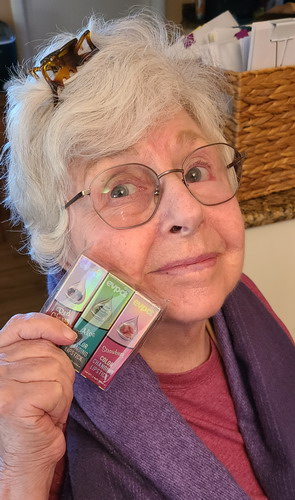 ew shades of lipstick! Her favorite brand that was made by a fellow that sold them at the state fair. But after 30 years he gave up the business, so Ellen has had to try to find replacements. The first color she tried of this triplet, dark cherry, was much too dark and intense. She prefers a much subtler shade.
CDC finds measles transmitted by folks vaccinated for measles
A peer reviewed study by CDC, WHO, and Johns Hopkins has found that 8 out of every 100 vaccinated folks that catc h measles transmits it to someone else. I thought you weren’t supposed to get measles if you were vaccinated. Guess I was wrong.
___________________________
~David DeLapp
_____________________________________
Testosterone may be why you can’t build muscle
Testosterone is the hormone that helps you build muscle – this includes women. By age 40 women produce half as 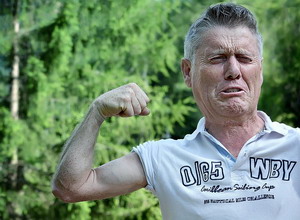 much as at 20. By menopause this loss can really impair your attempts to stay healthy. Read about this at this link…
____________________________
“One reason for feeling alone is a fear of embracing and participating with others that are different from you. Openness to others differences makes connection possible, but does not guarantee it. Feeling connected is the product of actually embracing and being able to participate with those others when they allow it. Feeling like you belong is when you feel that those others embrace and participate with your differences from them.”
~David DeLapp
________________________________________
Feeling appreciated at work lowers blood pressure
50% of people have high blood pressure. Much of it is driven by stress – that fight-or-flight state that ramps up your adrenaline. Being authentically appreciated helps your system wind down and relax, lowering your blood pressure.
“Love respects the autonomy of others. Fear suppresses the autonomy of others. ”
~David DeLapp