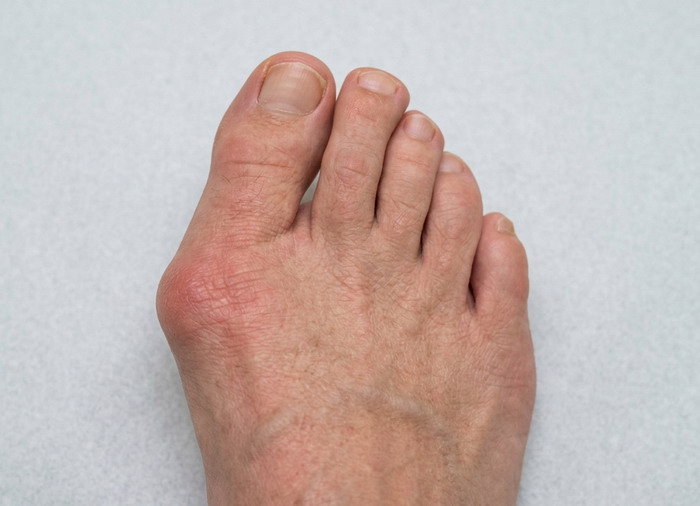
If you’re noticing a bump forming at the base of your b ig toe, or you’ve had a bunion for years and want to slow it down, there’s a lot you can do at home. Bunions (called hallux valgus by clinicians) usually develop over many years, from a mix of genetics, joint structure, and how your foot handles stress with every step. No home routine will make a structural bunion disappear, but a consistent, patient approach can often reduce pain, slow progression, and help your foot function better. Here’s a realistic, practical plan.
A quick note before you start: If your bunion is causing significant pain, redness, swelling, numbness, or is cha nging shape quickly, see a podiatrist or orthopedist before starting a home program. The same goes if you have diabetes, poor circulation, or nerve issues in your feet — check with a doctor first since foot injuries can be more serious for you.
1. Start With Footwear — It’s the Easiest Win
Footwear won’t fix a bunion, but the wrong shoes actively make it worse.
- Choose a wide, deep toe box. Your toes should be able to spread out and wiggle freely. Press on the shoe from outside — if you can’t pinch extra fabric near your big toe, it’s too narrow.
- Avoid pointed or narrow-toed shoes, high heels o
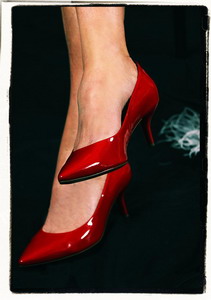 ver 2 inches, and shoes that taper sharply at the front. These push the big toe inward every time you wear them.
 - Skip shoes with rigid, unforgiving uppers over the bunion area. Soft, flexible leather or knit materials reduce friction and pressure on the bump itself.
- Consider a shoe half a size up if your usual size feels tight across the widest part of your foot.
2. Toe Spacers and Splints (Used Correctly)
- Silicone toe spacers, worn between the big toe and second toe for 30–60 minutes a day (often while relaxing a
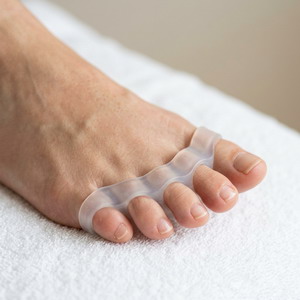 t home), can gently encourage better toe alignment and relieve pressure on the joint. Start with short sessions and increase gradually.
 - Night splints hold the toe in a straighter position while you sleep. Evidence suggests they don’t reverse the bony deformity, but many people find they ease morning stiffness and discomfort.
- Avoid tight elastic toe-straightening bands during walking or exercise — they can restrict circulation and aren’t designed for use under load.
3. Strengthen the Small Muscles That Support Your Big Toe
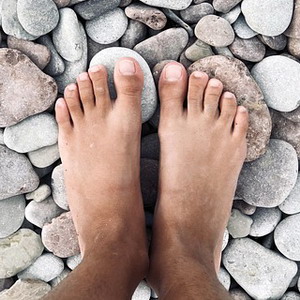
Two small muscles help stabilize the big toe and resist the inward pull that worsens bunions: one pulls the toe outward, and another helps it grip the ground during push-off. Both tend to weaken with age, cushioned shoes, and inactivity — but they respond well to simple, consistent exercise.
- Towel scrunches: Sit with a small towel flat un
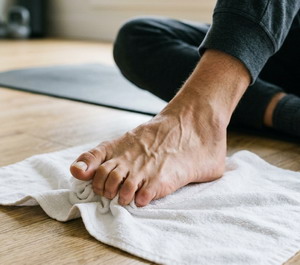 der your foot. Using only your toes, scrunch the towel toward you. Do 2–3 sets of 10, a few times a week.
 - Toe spreads: Try to spread all five toes apart and hold for 5 seconds, then relax. This retrains toes that have spent years cramped together in shoes. Repeat 10–15 times per foot.
- Big toe isolation: Sit with your foot flat on the floor. Without moving your other toes, try to lift just your big toe up while keeping the others down, then reverse — press just the big toe down while lifting the others. This is hard at first; that’s normal. It directly targets the muscles that stabilize toe alignment.
- Marble pickups: Pick up small objects (marbles, small stones) with your toes and place them in a cup. This builds coordination and strength through the whole foot.
4. Gentle Stretching
- Big toe stretch: Sit down, cross the affected foo
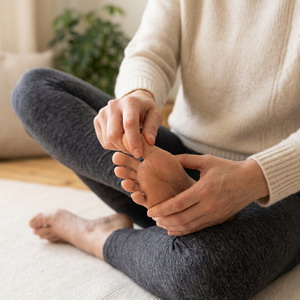 t over your opposite knee, and gently pull the big toe into better alignment (away from the other toes) using your hand. Hold for 15–20 seconds, repeat a few times. Never force this into pain.
 - Calf stretches: Tight calves change how weight moves through your foot during walking. Standard wall calf stretches, held for 30 seconds per side, can indirectly ease pressure on the forefoot.
5. Notice — and Gradually Adjust — How You Walk
Many people with bunions land hard on the heel a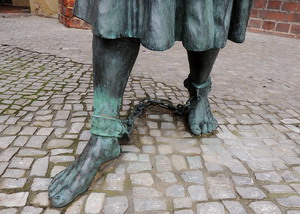 nd roll sharply inward toward the big toe with each step, which increases the sideways pressure that drives bunion progression over time.
You don’t need to overhaul your gait overnight — in fact, doing so too quickly can cause its own injuries (like stress fractures or calf strain). Instead:
- Pay attention to whether you’re slamming your heel down with each step.
- Try consciously landing a little softer, and let your foot roll through more evenly rather than collapsing h
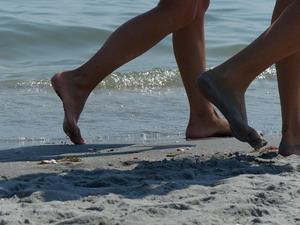 ard toward the inside edge.
 - Barefoot walking on safe, soft surfaces (grass, carpet) for short periods can help rebuild the sensory feedback and muscle engagement that thick, stiff-soled shoes tend to dull.
- If you want to shift toward more mid- or forefoot-focused walking or running mechanics, do it gradually over weeks, not days, and consider working with a physical therapist experienced in gait retraining.
Retro-walking (walking backward). Walking backward for short stretches is a simple way to interrupt a hard he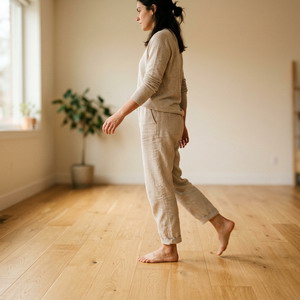 el-strike habit, because it’s almost impossible to slam your heel down when moving in reverse — your foot naturally lands on the ball first. This helps re-engage the forefoot and toe muscles that heel-strike walking tends to neglect, and many people notice it also challenges balance and coordination in a useful way.
- Try this only in a safe, open, obstacle-free space — a hallway, an empty room, or flat grass. A treadmill is not recommended for this unless you’re experienced and have someone spotting you.
- Start with 1–2 minutes at a time, a few days a week, and build up gradually.
- Keep steps small and controlled rather than fast.
- Stop if you feel unsteady, and skip this exercise altogether if you have balance issues, vertigo, or a history of falls, unless a physical therapist has cleared it for you.
Silent stepping. This is a simple awareness drill: walk across a room trying to make your footsteps as quiet as possible. Try it on a hard floor where heel-slap is easy to hear.
- Silence is nearly impossible with a hard heel strike, so this naturally pushes you toward a softer, more controlled foot landing and a smoother roll through the foot.
- It also sharpens the sensory feedback from your feet — the same feedback that thick cushioned soles tend to dull — because you have to actually feel how your foot is landing to keep it quiet.
- Practice for a few minutes at a time, barefoot or in thin-soled shoes, on a safe indoor surface. Over time, try to carry that same “quiet step” feel into your regular walking, including in your everyday shoes.

Both of these drills are meant as short, occasional practice sessions to rebuild awareness and muscle engagement — not as your primary way of walking around all day. Think of them like grip-strength drills for your feet: a few focused minutes, done consistently, retrains a pattern that then carries over into how you move the rest of the time.
6. Manage Pain and Inflammation
- Ice the bump for 10–15 minutes after a long day o
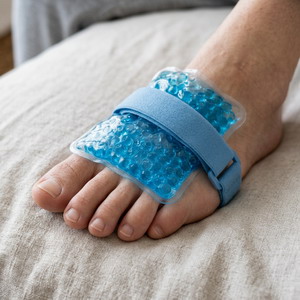 n your feet if it’s sore or inflamed.
 - Cushioned pads or moleskin placed over (not around) the bunion can reduce shoe friction.
- Foot massage, including rolling the sole over a tennis or lacrosse ball, can ease tension in the surrounding muscles and fascia.
What Home Care Can — and Can’t — Do
Realistically, these strategies work best for mild to 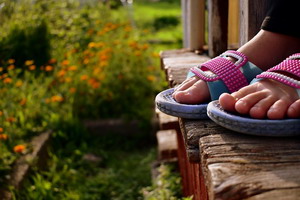 moderate bunions and are most effective at slowing progression, reducing pain, and improving foot function — not reversing bone structure. If your bunion is severe, if it’s affecting your daily life, or if home measures aren’t helping after several consistent months, it’s worth discussing options with a podiatrist.
Consistency matters more than intensity here. A few minutes of toe exercises and mindful walking most days, paired with better shoes, tends to outperform occasional bursts of effort.
Ellen
Ellen is home! After 6 weeks of hospital, acute rehab, and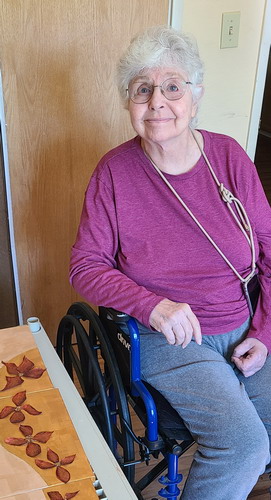 skilled nursing, Ellen is finally back home and ready to restart her life. She lost a lot of muscle tone with all this time in bed, so her main goal right now is to rebuild her strength so that she can get out of bed and into her wheelchair on her own. That may seem like a pretty simple goal, but when you can’t do it, it is huge. The new journey begins!
85% of personal care products hazardous
85% of everyday personal care products contain un labeled hazardous chemicals. On average such products contain 51 different chemicals even though the label only lists on average 16. This is true even for products specifically sold as chemical free.
___________________________
~David DeLapp
_____________________________________
What supplements not to take with coffee
Some supplements do not work well with coffee. Top o f the list is iron and zinc supplements as the chemicals in the coffee will bind to the minerals and keep them from being absorbed. Check the article for other things to avoid while drinking coffee.
____________________________
“People are driven, compelled subconsciously to recreate and repeat past traumatic or high drama experiences in an attempt to produce better results.“
~David DeLapp
________________________________________
Collagen and Longevity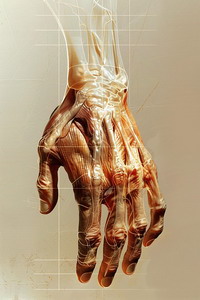
Good levels of collagen are vital for healthy aging. Collagen is for a lot more than nice skin. It forms your bones, connective tissue, ligaments, tendons, and surrounds all your blood vessels.
“Our heads can gather and organize data, but it is our feelings that allow us to prioritize that data.“
~David DeLapp