|
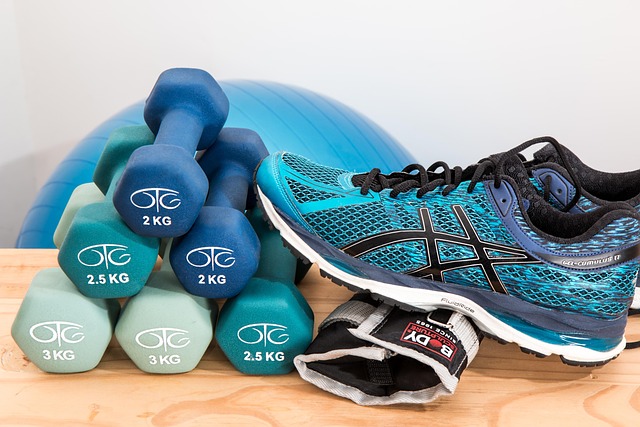
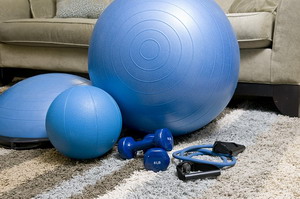
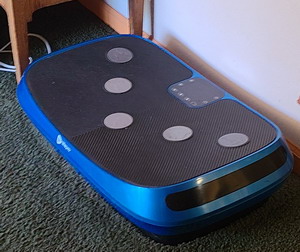
Most people don’t need another lecture about exercise. They already know they should exercise. They’ve heard it from their doctor, their family, television, and every health we The problem isn’t knowledge. The problem is getting started. If you’ve spent decades living a relatively sedentary life, suddenly being told to exercise 30–45 minutes every day can feel like being asked to become a completely different person. That may not be the best way to approach the problem. Instead, let’s think about progression. Step 1: Get off the couch For someone who is very inactive, simply standing Stand while talking on the phone. Walk to the mailbox. Get up during television commercials. Do a few chair stands. Take a two-minute walk around the house. These activities may seem insignificant compared with a workout. But they have one enormous advantage: You can actually do them. Step 2: Turn movement into a habit Once you have established a consistent routine of movement, you can begin incorporating “exercise snacks” to build For example: Morning: 3 minutes of walking Late morning: 3 minutes of movement After lunch: 5–10 minutes of walking Afternoon: 3 minutes of movement After dinner: another short walk if appropriate You haven’t gone to the gym. You haven’t put on special clothes. You haven’t committed to an hour of exercise. But you’ve interrupted several hours of sitting with movement. And recent research suggests that these brief, repeated exercise bouts can improve fitness and physical function. Step 3: Make the movement more challenging Once short periods of movement become easy, gra Walk faster. Walk farther. Add hills. Do more chair stands. Add resistance bands. Try gentle rebounding. Swim for longer. The progression should be gradual enough that you finish thinking: “I could probably do that again tomorrow.” That’s exactly what we want. Step 4: Add resistance exercise At some point, we want to deliberately challenge the Chair stands, squats, wall push-ups, resistance bands, light dumbbells, heel raises, and other simple exercises can provide resistance. The goal is to prevent the gradual loss of muscle that makes everyday activities increasingly difficult. Remember: Your muscles are metabolic organs. Keeping them strong helps your body handle glucose and maintain physical independence. Where does whole-body vibration fit? Whole-body vibration may be useful for people who have difficulty beginning conventional exercise. A vibration platform creates rapid, small movements that stimulate muscle That gives us an interesting possibility. Rather than thinking: “I’m going to use vibration instead of exercising,” think: “I’m going to use vibration to help me become capable of exercising.” You might begin by simply standing on the platform. Then add weight shifting. Then heel raises. Then supported squats. Then chair stands. Then walking. The machine becomes a bridge, not the destination. And eventually, perhaps, intervals. Once your fitness improves, there is another option: short periods of higher-intensity exercise. High-intensity i But it isn’t where I would begin with someone who has been sedentary for years. Build the foundation first. Walking. Swimming. Rebounding. Resistance exercise. Exercise snacks. Then intervals if appropriate. Your exercise program should fit your life. You don’t have to exercise at a gym. You don’t need expensive equipment. You don’t have to become an athlete. Your home may already contain everything you need to begin: A chair. A wall. A staircase. Your own body. A pair of walking shoes. Perhaps a resistance band. Perhaps a pool. Perhaps a mini-trampoline. Perhaps a vibration platform. The equipment isn’t the most important part. Consistency is. The goal isn’t to become an exerciser overnight. If you’ve spent 40 years being a couch potato, don’t expect yourself to undo that habit in 40 days. Think of this as rehabilitation. You are teaching your body—and your brain—that movement is normal again. Start so small that you cannot reasonably tell yourself you can’t do it. Then repeat it. Then add a little. Then repeat that. Eventually, something remarkable can happen: Exercise stops being something you have to make Not becoming a gym rat. Not running a marathon. Not losing a certain number of pounds. But becoming a person who moves regularly. Because the body is remarkably adaptable. Give it a reason to move, give it appropriate nutrition, and give it enough time—and even an old couch potato can begin becoming more capable again. Take care,
David
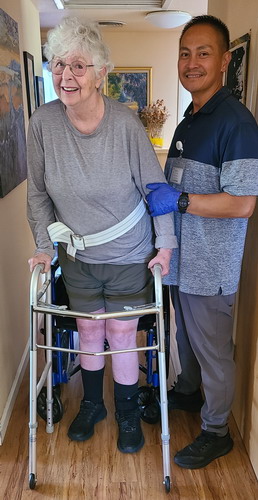
Ellen I was home working on this newsletter while the physi
|
Categories
Couch potato to movement