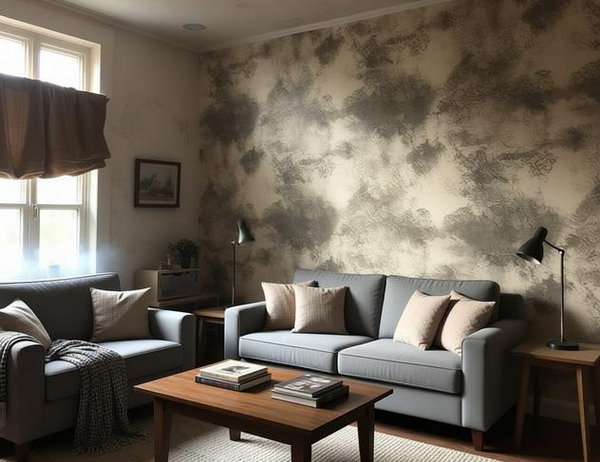
Most people think about outdoor pollution when they hear the term “air pollution,” but indoor air can sometimes b e even more polluted than outdoor air. Modern homes are built tighter than ever before, which helps save energy, but it can also trap pollutants indoors.Because we spend most of our lives inside—especially while sleeping—indoor air quality can have a major effect on:
- Sleep quality
- Lung health

- Allergies and asthma
- Brain function and concentration
- Energy levels
- Headaches and fatigue
- Long-term cardiovascular health
The good news is that many indoor air problems can be improved with simple, practical changes.
Carbon Dioxide (CO₂): The “Stale Air” Problem

One of the most overlooked indoor pollutants is carbon dioxide (CO₂).
CO₂ is naturally produced when we breathe. In a poorly ventilated room, especially a bedroom with the door closed, CO₂ levels can climb surprisingly high overnight. While normal indoor CO₂ levels are usually not dangerous, elevated levels may contribute to:
- Poor sleep quality
- Morning headaches
- Brain fog
- Fatigue
- Reduced concentration
- A feeling of stuffiness
A crowded room or closed bedroom can sometimes exce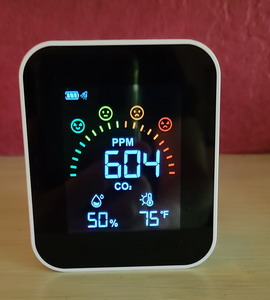 ed 2,000 parts per million (ppm) overnight. This is the CO2 meter that I use.
Ways to Lower Indoor CO₂
The best way to reduce CO₂ is to bring in fresh outd oor air.
Helpful strategies include:
- Opening windows when outdoor air quality is good
- Keeping bedroom doors slightly open
- Using kitchen and bathroom exhaust fans
- Increasing airflow between rooms
- Installing a fresh-air ventilation system such as an ERV or HRV
Many people are surprised to discover how stale their bedroom air becomes during sleep. A small CO₂ monitor can help you understand how well your home is ventilated.
Fine Particles (PM2.5): Tiny Pollutants With Big Effects
Some of the most harmful indoor pollutants are microscopic particles called PM2.5. These particles are small enough to travel deep into the lungs and even enter the bloodstream.
Indoor sources include:
- Cooking oils and frying

- Gas stoves
- Candles
- Incense
- Tobacco smoke
- Fireplaces
- Wildfire smoke entering from outdoors
PM2.5 exposure has been associated with:
- Lung irritation
- Asthma flare-ups

- Increased inflammation
- Heart disease risk
- Poor sleep
- Cognitive decline over time
Cooking is often one of the largest indoor sources of air pollution.
How to Reduce Particle Pollution
- Use a kitchen exhaust fan that vents outdoors
- Avoid indoor smoking
- Limit candles and incense
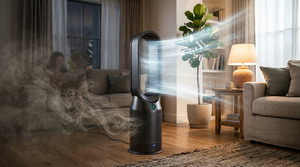
- Use HEPA air purifiers
- Keep windows closed during wildfire smoke events
HEPA air cleaners can be extremely effective at removing smoke, dust, pollen, and fine particles from the air.
Plug-In Air Fresheners: A Hidden Source of Indoor Chemicals
Many people enjoy plug-in air fresheners because t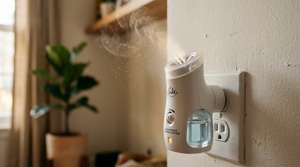 hey create a pleasant scent, but these products continuously release chemicals into the air.
These chemicals often include:
- Fragrance compounds
- Volatile organic compounds (VOCs)
- Solvents
- Aerosolized oils
Common symptoms linked to fragranced products include:
- Headaches
- Eye irritation
- Coughing

- Nasal congestion
- Chest tightness
- Asthma flare-ups
The Problem With “Clean Smells”
One surprising issue is that some fragrance chemicals react with ozone in the air and create new pollutants, including formaldehyde and ultrafine particles. This means that a pleasant smell does not necessarily mean clean or healthy air.
Plug-in air fresheners may be especially concerning because:
- They run continuously
- Exposure occurs day and night
- Bedrooms are often poorly ventilated
- People stop noticing the smell even though exposure continues
Children, older adults, and people with asthma are often more sensitive to fragranced products. Even “natural” essential oil products can irritate the lungs in some individuals.
Better Alternatives
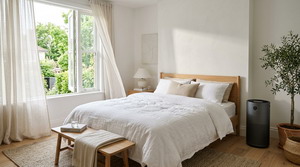 Instead of masking odors, focus on removing the source:
- Improve ventilation
- Remove moisture problems
- Clean fabrics and carpets
- Empty trash regularly
- Use activated carbon filters for odors
In many homes, a “fresh smell” is actually covering up poor ventilation.
Volatile Organic Compounds (VOCs)
VOCs are chemicals that evaporate into indoor air from common household materials.
Sources include:
- Paints
- Cleaning products
- New furniture
- Carpets
- Adhesives
- Pressed wood furniture
- Air fresheners
One important VOC is formaldehyde, which may irritate the eyes, throat, and lungs and is considered a cancer-causing chemical.
People exposed to high levels of VOCs may experience:
- Brain fog
- Fatigue
- Headaches

- Dizziness
- Airway irritation
New furniture and remodeling projects can temporarily increase VOC levels substantially.
How to Reduce VOC Exposure
- Increase ventilation
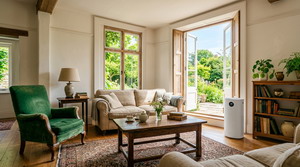
- Choose low-VOC products when possible
- Avoid unnecessary fragranced products
- Allow new furniture or carpets to off-gas before heavy use
- Use activated carbon air filtration
Gas Stoves and Combustion Pollutants
 Gas stoves can produce several indoor pollutants, including:
- Nitrogen dioxide (NO₂)
- Carbon monoxide (CO)
- Fine particles
Nitrogen dioxide can irritate the lungs and worsen asthma.
Carbon monoxide is especially dangerous because it has no smell and can become deadly at high levels. Every home with gas appliances should have working carbon monoxide detectors.
Reduce Combustion Pollution
- Use kitchen ventilation every time you cook
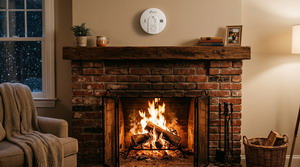
- Make sure gas appliances are functioning properly
- Never use generators indoors
- Maintain furnaces and fireplaces regularly
- Install carbon monoxide detectors
Mold and Excess Moisture
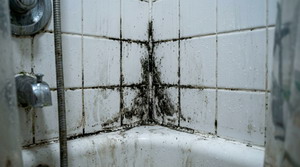
Moisture problems are another major source of indoor air pollution.
Mold can grow in:
- Bathrooms
- Basements
- Leaky walls
- Damp carpets
- Poorly ventilated rooms
Mold exposure may contribute to:
- Allergies
- Sinus congestion
- Chronic coughing
- Asthma symptoms
- Fatigue
Dust mites also thrive in humid environments and commonly live in bedding and upholstered furniture.
Ideal Indoor Humidity
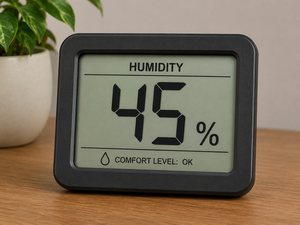 Indoor humidity is generally best around 40–50%.
Too much humidity encourages:
- Mold
- Dust mites
- Musty odors
Too little humidity may dry the airways and irritate the nose and throat.
High-Value Steps
- Increase fresh air ventilation
- Use kitchen exhaust fans while cooking
- Reduce or eliminate plug-in fragrances
- Use HEPA air filtration
- Maintain healthy indoor humidity
- Install carbon monoxide detectors
- Address water leaks and mold quickly
- Reduce indoor smoke and combustion sources
The Bedroom Matters Most
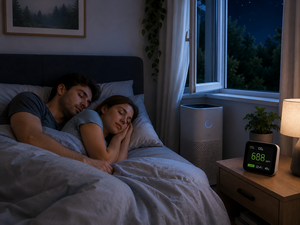 Because we spend many uninterrupted hours sleeping, bedroom air quality may have an outsized effect on health.
A poorly ventilated bedroom can accumulate:
- CO₂
- Fragrance chemicals
- Allergens
- Dust
- Humidity
Simple changes such as improving airflow, reducing fragrances, and using air filtration may help support:
- Better sleep
- Clearer thinking
- Less congestion
- Improved daytime energy
Final Thoughts
Indoor air quality is one of the most overlooked aspects of health. Many modern homes are filled with invisible pollutants from combustion, fragrances, cleaning products, stale air, and excess moisture. Fortunately, small practical improvements can often produce noticeable benefits.
Fresh air, good ventilation, moisture control, and reducing unnecessary chemical exposure remain some of the most effective ways to support healthier indoor living. Sometimes the healthiest home does not smell like perfume or “cleaning products.” It simply smells like clean air.
Take care,
David
Ellen
Even though pain and disability are getting in your wa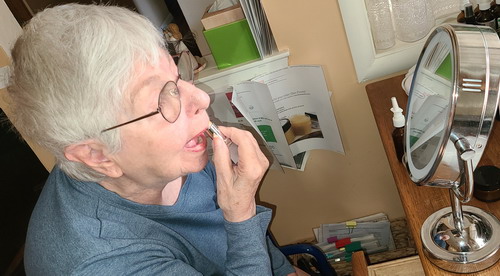 y and keeping you from doing the things you want to do, that is no reason not to get made up and ready for the day.
|
|
Reducing exposure to microplastics
Microplastics are everywhere, and they are messi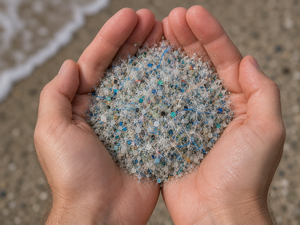 ng up our health. Not only do they trigger inflammation, but they muck up organ and brain function. Here is an article to help you learn how to reduce exposure. ng up our health. Not only do they trigger inflammation, but they muck up organ and brain function. Here is an article to help you learn how to reduce exposure.
More
___________________________
“What you get in life is controlled by what you give to yourself. The old adage that “As you give, so shall you receive” is misleading because you can only receive what you allow yourself to receive, and that is measured by what you are willing to give to yourself.“~David DeLapp
_____________________________________
Exercise variety reduces mortality by 19%
It seems that just getting enough exerces is not enough. The body wants variety. Weight training, yoga, cycling, danc ing, and all that jazz significantly reduce mortality when they are all mixed into our regular routines. ing, and all that jazz significantly reduce mortality when they are all mixed into our regular routines.
More
____________________________
“The distance between what you have and what you want/need is what produce the pressure that drives growth. Growth requires great effort, and we don’t waste effort where there is not an important payoff.“
~David DeLapp
________________________________________
Eating well boosts teens mental health
Being a teen is hard enough, but junk food really  makes it much harder. Sticking to real food with a healthy mix of foods has been found to really impact teens mental health. makes it much harder. Sticking to real food with a healthy mix of foods has been found to really impact teens mental health.
More
________________________
“Needs are those things at fulfill requirements for our survival. Wants are those things that fulfill emotional needs.“
~David DeLapp
|
|