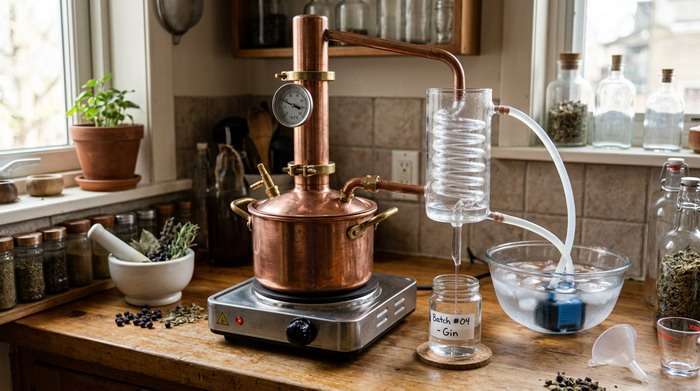
A new health toy I have been playing with recently is a p ortable USB Hypochlorous Acid Generator. I have a fondness for making my own medicines at home, which enables me to avoid relying on pharmaceutical agents. Though sometimes necessary, they are a last resort for me. I first came across this stuff as a dental mouthwash back in the 90s. It was effective and didn’t taste like toilet bowl cleaner, but it was hard to find and expensive. So, when I found a YouTube video on how to make it at home, I decided to try it. It is called hypochlorous acid, chemically HOCl.
What Is Hypochlorous Acid?
Hypochlorous acid isn’t a synthetic invention dreamed up in a lab. It’s something your own body already makes. Wh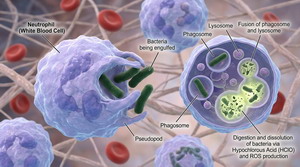 ite blood cells produce HOCl as part of your immune system’s natural defense against germs. It’s a weak acid, chemically related to chlorine, but with a pH close to that of your own skin — which is a big part of why it’s so much gentler than harsher disinfectants. One study I found compared HOCl to alcohol, iodine, bleach, and chlorhexidine in killing a variety of common nasty bacteria such as the one responsible for MRSA. The HOCl was the only one of the five that killed all the bugs instantly.
It’s easy to mistake HOCl for bleach, but they are distinc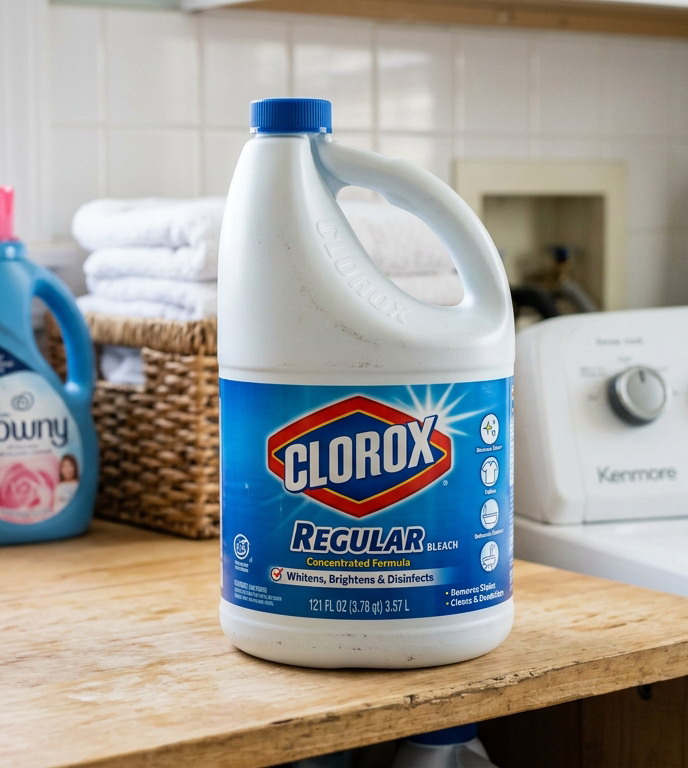 t substances. Household bleach, known as sodium hypochlorite, is a related yet different compound that possesses a higher alkalinity and is considerably harsher on both skin and surfaces. HOCl, in fact, represents the specific form of chlorine responsible for bleach’s germ-killing efficacy—it operates at a much gentler, skin-friendly pH. During the COVID-19 pandemic, I used to create a surface sanitizer, but this product surpasses its predecessor in terms of potency while maintaining its gentler nature.
How Home Electrolyzers Make It
You don’t need an industrial setup to produce hypoc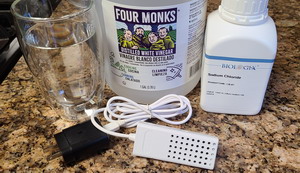 hlorous acid. Small countertop devices can do it using just four ingredients: salt, water, food acid, and electricity. Here’s the basic idea:
- You dissolve a small amount of salt (sodium chloride) in water.
- You add a tiny bit of either vinegar or citric acid to the water.
- The device runs an electric current through the salt water — a process called electrolysis.
- This splits the salt into its components, which react with water to form chlorine-based compounds.
- Depending on the resulting pH of the solution, you end up with either hypochlorous acid (in the mildly acidic range, roughly pH 5–6) or sodium hypochlorite (at higher, more alkaline pH).
Many at-home units are marketed as producing “hypochlorous acid,” but the actual chemistry can drift toward sodi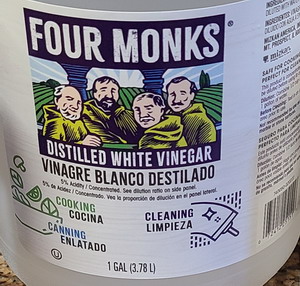 um hypochlorite unless the pH is properly managed. That is why we add a small amount of vinegar or citric acid to the salt water before running the machine, specifically to nudge the pH down into the range where true HOCl dominates. A simple pH test strip can confirm you’ve landed in the right zone before you start using the solution. Here is a link for one on Amazon:
https://amzn.to/4g7n6ly
Getting the Concentration Right for Different Uses
One of the most important things to understand abo ut HOCl is that “more concentrated” isn’t automatically “better.” Different uses call for different strengths, and going too strong can cause irritation without adding any real benefit. The strength is measured as parts per million (ppm) of the chlorine ions. As a general guide, commonly reported ranges include:
- Mouthwash: around 100 – 200 parts per million (ppm)
- Sinus or nasal rinses: very low concentrations, similar to those found in commercially certified nasal sprays — this is an area where sticking to a tested, labeled product is wisest
- Eye care: around 100 ppm, and again, best left to properly formulated eye products rather than DIY dilutions
- Wound care: anywhere from about 10 to 250 ppm depending on the wound
- Facial skincare and acne: roughly 100–200 ppm
- Baby or very sensitive skin: on the lower end, around 20–40 ppm
- General household surface cleaning: around 200 ppm
The electrolyzer I bought produces a concentration of 160-200 ppm. If you don’t know what concentration you might have, a chlorine test strip (the same basic kind used for pools and spas) is a cheap, simple way to check where your batch actually lands before you use it on your skin or a wound.
Storing Your Batch So It Actually Lasts
Here’s the catch with homemade HOCl: it loses pote ncy over time. If left in a clear bottle on a sunny windowsill, a fresh batch can lose a significant amount of its strength within just a couple of weeks. However, a few simple habits can help extend its shelf life.
- Keep it out of the light. Store your solution in an opaque bottle, or the coated bottle your device came with, rather than clear plastic.
- Keep it cool. Heat speeds up degradation, so a cabinet away from appliances or sunny windows is better than a hot countertop.
- Keep it sealed. Limiting air exposure helps preserve the active chlorine content.
- Make smaller batches, more often. Since a fresh batch is generally most effective within its first couple of weeks, it’s often easier to make what you’ll use soon rather than storing large amounts long-term.
How It Compares to Household Bleach
It’s natural to wonder whether a homemade batch is “as good as” a stronger disinfectant like Clorox. The honest answe r: no, and that’s actually by design. Standard household bleach is typically sold at 5–8% sodium hypochlorite, which works out to tens of thousands of parts per million of available chlorine. A small home electrolyzer, by contrast, is built to produce a much gentler solution — typically in the range of a few hundred ppm at most.
That means bleach is dramatically more powerful fo r heavy-duty disinfection jobs, while homemade HOCl is designed for a different purpose entirely: gentle, frequent use on skin, wounds, and everyday surfaces where you don’t want something harsh. For jobs like stubborn bathroom mold, a properly diluted bleach solution used according to the label (with good ventilation, and never mixed with ammonia-based cleaners) will generally outperform a homemade HOCl batch, especially for eliminating mold spores.
A Few Practical Safety Notes
- Use lab-grade or food-grade salt without additives like iodine or anti-caking agents, since impurities can affect you
 r results.
 - Test your solution’s pH and concentration rather than assuming it matches what a commercial product would deliver.
- For eyes, deep wounds, or anything going near your sinuses, favor products specifically formulated and labeled for that purpose over a DIY dilution.
- If you develop any skin irritation, redness, or unexpected reaction, stop using the solution and check with a healthcare provider.
- If you’re managing a skin condition, a chronic wound, or anything beyond routine cleaning, it’s worth looping in a doctor or pharmacist before making HOCl part of your regular routine.
The Takeaway
A home electrolyzer is a neat way to make a mild, ve rsatile disinfectant using little more than salt, water, and electricity. It won’t replace bleach for heavy-duty jobs, and it isn’t a substitute for medical-grade products when it comes to sensitive areas like eyes or open wounds. But for everyday skin care, general household use, and gentle disinfecting, it’s a low-cost, low-toxicity option that’s easy to make right at your kitchen counter — as long as you pay attention to concentration, storage, and a bit of basic testing along the way.
Colloidal Silver is back and available in the office. Silver has quadrupled in price over the last two years, so the price we have it for in the office is a real steal!
Ellen
Ellen is doing well in the skilled nursing facility. Friday morning she called me to boast that she was able to stand upright holding on to a pole for four minutes. Her pain is much better n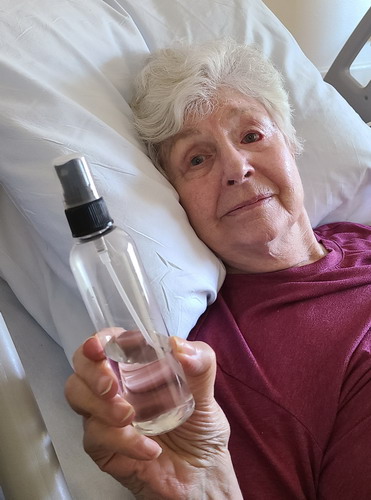 ow. Her job now is to build her strength so she can come home. Here Ellen is showing off a spray bottle of hypochlorous acid I made for her to help her stay sanitized in the treatment facility.
|
|
Healthy attitude, healthy body
Research done on the “superagers” of Sardinia compa red to regular aging folks in nearby areas is showing that those who age better also show higher levels of openness to experience, conscientiousness, and agreeableness than those who age more quickly.
___________________________
~David DeLapp
_____________________________________
Post menopause ovaries turn into immune modulators
After menopause, ovaries don’t simply retire. The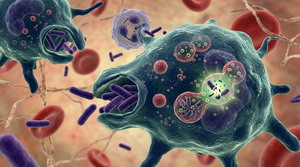 y become a source of immune modulation that stimulates inflammation in the body. Research is just now looking at what this means for aging.
____________________________
“You are not wanted for who you are, you are wanted for how well you play the game of life with others.“
~David DeLapp
________________________________________
Do you have a brain parasite?
One third of people are carrying a parasite that hide s in either their brain or their muscles. It is called Toxoplasmosis and it is primarily carried by cats. Some countries have much higher rates of infection, like Brazil at 80% infection. Usually the infection is quiet, but things that compromise your immune system flare it up. The biggest danger is to unborn children.
“Civilization is built from the belief in mutual responsibility for the creation of abundance. It is destroyed by the belief in entitlements endowed because of the experiences of lack.“
~David DeLapp