|
|
Every October, we face the same familiar dilemm a. We want to welcome the neighborhood children, participate in the fun of Halloween, and give them something they’ll enjoy. Yet we also know that many traditional Halloween treats contain large amounts of added sugar, refined starch, and calories with relatively little nutritional value.
Does that mean we should become the house that hands out celery sticks while everyone else gives out chocolate? Pro bably not! Halloween is meant to be fun, and enjoying an occasional sweet treat is not a health catastrophe.
But there is another way to approach the holiday. We can make choices that preserve the fun while offering something a little better for our health. And there’s an additional consideration that I think deserves more attention: What happens to the treats that don’t get handed out?
The Leftover Problem
Suppose you buy a large bag of candy and only hal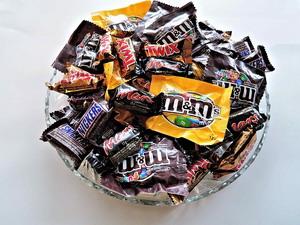 f of it goes to the neighborhood children. What happens to the rest? Perhaps you put it in a cupboard, where it gradually disappears over the next few days. Maybe you tell yourself you’ll have just one piece, only to find yourself returning for another.
This isn’t necessarily a failure of willpower. Highly palatable, readily available foods can encourage us to eat more than we intended. When sweets are sitting within easy reach, resisting them repeatedly takes effort.
For people who are trying to manage their weight, blo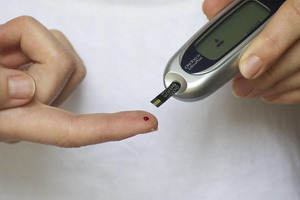 od sugar, insulin resistance, or other health concerns, those leftovers can turn a single evening of celebration into several days of extra sugar consumption.
That led me to consider a different question when choosing Halloween treats: What could I give to the children that I would also be happy to eat myself if there were leftovers?
It’s a simple question, but it changes the way we shop. Instead of thinking only about what children might enjoy, we also consider whether our purchase fits into the way we want to eat.
Rethinking What Makes a Treat
We tend to equate a treat with something sweet. But a treat is really something enjoyable that we don’t necessarily have every day. It doesn’t have to be candy.
For example, individually wrapped turkey or beef snack sticks can be an interesting alternative. They provide protein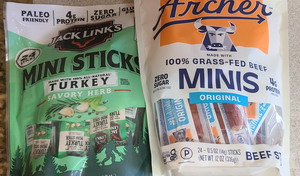 , generally contain little or no added sugar when the right products are selected, and are convenient to distribute. A good-quality product can be enjoyable for children and adults alike.
Other possibilities include:
- Mini boxes of raisins: Convenient and naturally sweet, with some fiber and minerals. They still contain conce
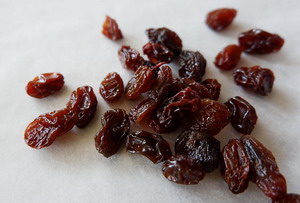 ntrated natural sugars, so they’re not equivalent to eating whole fruit.
- Clementines or small mandarins: These provide vitamin C, water, and fiber. Decorating the peel with a jack-o’-lantern face makes them more festive.
- Savory Meat sticks: A savory, chewy alternative with little to no sugar. Organic, gluten-free, non sugar beef and turkey sticks make a great treat.
- Small portions of nuts or trail mix: These can provide protein, fiber, and healthy fats, but they are not appropriate for all young children because of choking hazards, and nut allergies are an important consideration.
- Individually wrapped low sugar chocolates: For those who prefer a conventional sweet, a small portion of chocolate can be a reasonable compromise. Unreal makes lovely low sugar peanut butter cups, candy bars, and M&M type candie
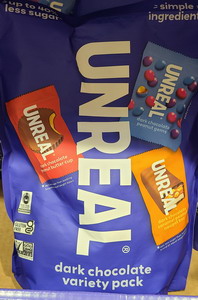 s. I found them at Costco and at Raleys.
- Individual chip bags: The bottom of the list nutritionally, but still avoids the sugar load, you can use the lunch size bags of chips. Look for ones without artificial colors or preservatives.
You could also offer small non-food items such as glow bracelets, stickers, or Halloween-themed temporary tattoos. These provide something fun without adding more food to the household.
The best choice depends on your neighborhood, your budget, and what you think the children will actually enjoy.
Look Beyond the Marketing
Food labels can be helpful, but they can also be misleading. Words such as organic, natural, and gluten-free tell us something about a product, but they don’t automatically make it nutritionally superior.
When comparing packaged snacks, consider a few practic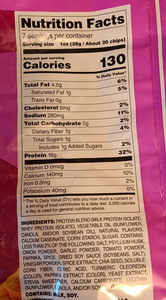 al questions:
How much added sugar does it contain? The Nutrition Facts label lists added sugars separately from total sugars. Choosing products with little or no added sugar can be useful, especially when sugary foods are already abundant during the holidays.
Does it offer nutritional value? Protein, fiber, vitamins, and minerals can make a snack more substantial. However, no single nutrient makes a food automatically healthy.
How much sodium is present? Savory meat sticks, jerky, and chips can be high in sodium. Some also contain preservatives. While sodium is not really a concern for kids, it does train them to eat too much highly processed food. Compare products rather than assuming that a premium or organic label guarantees a better nutritional profile.
Is the portion sensible? A small package can make it easier to keep portions reasonable, whether the snack is sweet or savory.
And remember that a food does not have to be perfect to be a reasonable choice. The overall pattern of our diet matters much more than any single snack.
What About Traditional Candy?
There is still room for candy on Halloween. A small piece of chocolate or a favorite seasonal sweet can be enjoyed without turning it into a mora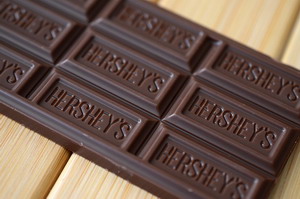 l issue.
The problem isn’t that one piece of candy will ruin our health. It won’t. The greater concern is the cumulative effect of repeatedly consuming excess added sugar and calories, particularly when those foods become a routine part of our diet.
Children also benefit from learning that food choices don’t have to be divided into categories of absolute good and absolute bad. We can enjoy sweets while recognizing that other foods offer more nutritional value.
Rather than criticizing traditional candy or trying to eliminate every indulgence, we can simply broaden the choi ces available and encourage healthier choices. Be aware that children learn from watching what we do and very little from what we say.
A Small Change That Can Make a Difference
For food safety, keep snacks in their original sealed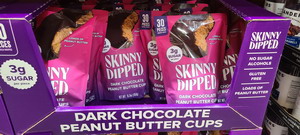 packaging and follow the manufacturer’s storage instructions. Refrigerate products when required, and be mindful of choking hazards and food allergies, especially with younger children.
Most importantly, make your choice something that works for you. If the children enjoy it and the leftovers won’t tempt you away from your own nutritional goals, you’ve solved two problems at once.
The Takeaway
Healthy eating isn’t just about what we put on our plates. It’s also about the environment we create around ourselves, the foods we keep readily available, and the small decisions we make before temptation arrives.
Halloween gives us an opportunity to think ahead. We can participate generously in the fun, offer children something they’ll appreciate, and still respect our own health goals.
This year, before buying a mountain of candy, ask yours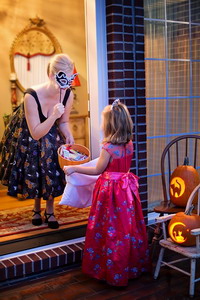 elf one simple question:
If I have leftovers, will I feel good about eating them myself?
That doesn’t mean every treat must be nutritious or that we should never enjoy candy. It simply means we can make choices that serve both our generosity toward others and our commitment to our own well-being.
And that may be one of the healthiest treats we can give ourselves.
Ellen
Saturday was our neighborhood’s Octoberfest celebration. Our little neighborhood get together twice a year to just chat and update evereyone about what has been happening with the neighbors. Ellen was up for the social event of our season. I made my usual ribs that everyone loves. We sat and soaked in what has been going on with everyone for about 3 hours. By then Ellen gets pretty tired so I roll her across the cul-de-sac and back to our house to rest.
5 pillars of longevity
Here is a great article from Harvard on the five lifes tyle patterns that have been shown to increase longevity – movement, nutrition, sleep , stress management, and social connection.
___________________________
― William James
_____________________________________
Exercise and strength training for arthritis
Exercise, done correctly, is the best medicine for arthritis. Here is an article from the arthritis foundation on how to  go about helping your arthritis with exercise.
____________________________
“Life’s under no obligation to give us what we expect.”
― Margaret Mitchell
________________________________________
Fiber and fermented foods for health
Here we have another Harvard newsletter on t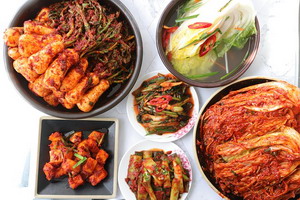 he benefits of eating a variety of fibers and fermented foods.
“The notion that a human being should be constantly happy is a uniquely modern, uniquely American, uniquely destructive idea”
― Andrew Weil