|
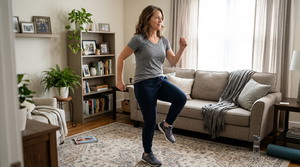
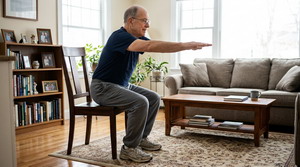
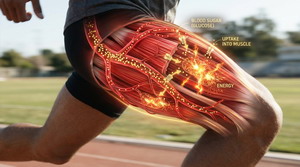
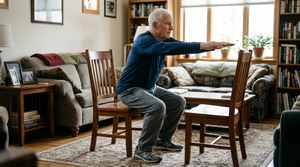
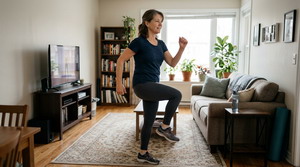
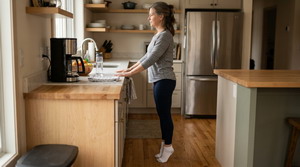
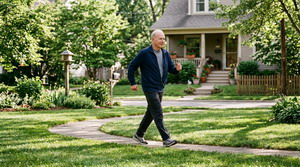
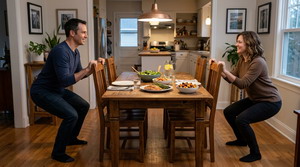
What if improving your stamina didn’t require going to the gym, changing clothes, or setting aside 30 minutes for exercise? What if you could improve your fitness by moving your body for just one minute at a time, several time This is the idea behind something researchers are increasingly interested in called exercise snacks. And for older adults, it may be one of the simplest and most practical ways to maintain strength, stamina, and independence. What Exactly Are Exercise Snacks? Exercise snacks are short bouts of physical activity, Rather than completing one long workout, you break your activity into several smaller sessions. For example, you might do one minute of marching in place in the morning, a minute of chair stands before lunch, and a brisk walk around the house in the afternoon. These aren’t simply opportunities to stretch your legs. When performed with enough effort, they can challenge your heart, lungs, muscles, and circulation. Think of them as small reminders to your body that it still needs to be strong, coordinated, and physically capable. Why Do Such Short Periods of Exercise Matter? Our bodies are remarkably responsive to physical a When muscles contract, they take up glucose from the bloodstream. This process can occur through mechanisms that don’t depend entirely on insulin, making muscle activity particularly helpful for people with insulin resistance or elevated blood sugar. Exercise also stimulates the cardiovascular system. Your heart beats faster, circulation increases, and your muscles become better equipped to use oxygen. Repeated exercise challenges encourage adaptations that improve cardiovascular fitness and muscular endurance. There is another important benefit: interrupting prolonged sitting. Even people who exercise regularly may sp In other words, exercising for 30 minutes in the morning is beneficial, but remaining inactive for the next eight hours isn’t ideal. What Does an Exercise Snack Look Like? The beauty of exercise snacks is their simplicity. You don’t need special equipment, a gym membership, or even much space. Here are six exercises that can be incorporated into an ordinary day. 1. Chair Stands Sit in a sturdy chair with your feet flat on the floor. Stand up, straighten your legs, and slowly sit back down. R This is one of the most useful exercises for older adults because it strengthens the muscles needed to get out of chairs, rise from the toilet, and climb stairs. If necessary, use your hands to help push yourself upright. 2. Marching in Place Stand near a counter or sturdy chair for support. Alt Continue for 30–60 seconds. This exercise challenges your cardiovascular system while also strengthening the muscles responsible for lifting your legs when walking. 3. Calf Raises Stand behind a sturdy chair or at a kitchen counter. Slowly rise onto your toes, pause briefly, and lower your heels. Repeat for approximately one minute. Your calf muscles help propel you forward when walking and play an important role in maintaining balance. Strengthening them can make everyday walking easier. 4. Brisk Walking
5. Side-Stepping
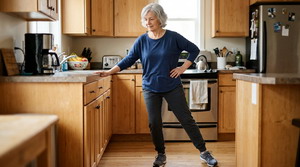
6. Alternating Knee Lifts
How Often Should You Do Exercise Snacks? There isn’t one perfect schedule. The idea is to find opp Here is one example:
That’s only seven minutes of exercise distributed throughout the day! You can begin with just two or three exercise snacks daily and gradually increase the number as your body becomes accustomed to the activity. Another excellent opportunity is after meals. A brief walk or several minutes of gentle movement after eating can help your muscles take up glucose and moderate the rise in blood sugar that normally follows a meal. Make Your Exercise Snacks Progressively More Challenging As your fitness improves, the same exercises will gradu However, continued improvement requires gradually increasing the challenge. You might begin with five chair stands in one minute and eventually perform ten. You could increase your marching speed, walk a little farther, or add a few more repetitions to your calf raises. You can also increase the duration from 30 seconds to one minute, or eventually two minutes. The important thing is to progress gradually. Good technique and controlled movement are more important than speed or the number of repetitions. Can Exercise Snacks Replace Regular Workouts? They can provide meaningful benefits, but I wouldn’t Short bouts of movement are particularly useful for improving cardiovascular conditioning, muscular endurance, and reducing the effects of prolonged sitting.
A Few Words About Safety If you haven’t exercised regularly, start gently. Thirty Use a sturdy chair or countertop for support when performing standing exercises. Avoid movements that cause pain, dizziness, or unusual shortness of breath. If you have significant cardiovascular disease, a history of falls, or other medical limitations, consult me or your healthcare professional about appropriate activities and intensity. Remember, the objective isn’t to exhaust yourself. It’s to encourage your body to move more frequently. The Takeaway: Make Movement Part of Your Day One of the biggest obstacles to exercise is the belief You don’t have to wait until you have 30 minutes available. You don’t have to drive to a gym. You don’t even have to break a sweat. You simply need to find small opportunities to move your body throughout the day. A minute of marching while waiting for coffee, a few chair stands before lunch, or a brisk walk after dinner may seem The goal isn’t simply to live longer. It’s to remain strong enough, mobile enough, and energetic enough to enjoy the life you’re living. Sometimes, the best place to start is with just one minute of movement. Take care, David
Ellen Today is Thanksgiving as I write this. Ellen requested her favorite breakfast, Eggs Benedict. I attempted to create this
|
Categories
Building Stamina