High cholesterol affects nearly one-third of adults. W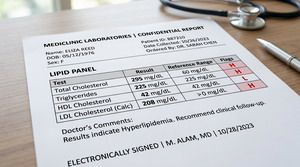 hile medications may be necessary, there are many lifestyle changes and supplements that can help improve cholesterol levels. This guide provides information on the best evidence-based lifestyle changes and supplements, including their effects, effectiveness, and potential side effects.
Why Cholesterol Numbers Matter
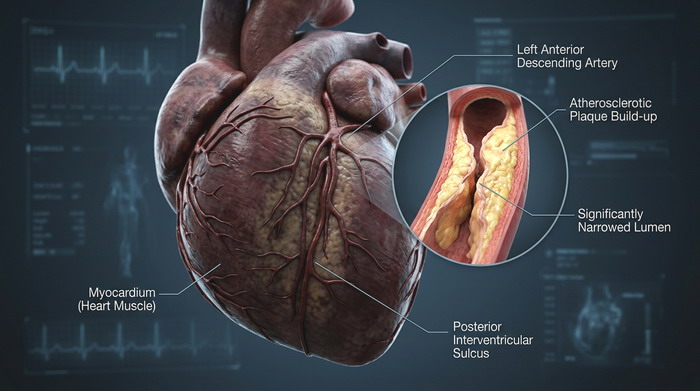
Cholesterol itself isn’t the villain; your body requires i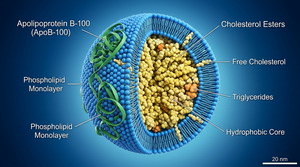 t for cell and hormone production. The issue arises with the LDL particle which carries cholesterol inside itself (commonly referred to as “bad” cholesterol), which can accumulate in artery walls over time, increasing the risk of heart disease and stroke. On the other hand, HDL cholesterol particles (“good” cholesterol) plays a crucial role in removing excess cholesterol from the bloodstream, making higher HDL levels generally protective. While diet and exercise can influence both cholesterol types, they can sometimes have independent effects.
Start With Food: The Fiber Advantage
Soluble fiber, found in oats, barley, beans, lentils, and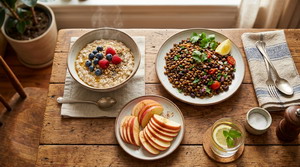 apples, is one dietary change with the most consistent evidence. It binds to cholesterol in the digestive tract and eliminates it from the body before it can be absorbed.
Aiming for 5–10 grams of soluble fiber daily can yield noticeable results within approximately a month. A bowl of oatmeal, a serving of lentils, and an apple can help you reach this goal. However, if it’s challenging to achieve this target solely through food, a psyllium husk supplement (about 1 tablespoon daily, taken with ample water) is a well-researched solution to bridge the gap
Swap Your Fats, Don’t Just Cut Them
Not all fats impact your cholesterol levels equally. Therefore, the objective isn’t necessarily to “reduce fat intake” — rather, it’s to “consume the appropriate fat instead of the inappropriate fat.”
- Saturated fats, such as butter, fatty red meat, full-fat dairy products, coconut oil, and palm oil, tend to elevate
 LDL cholesterol.
 - Trans fat, found in partially hydrogenated oils, are even more detrimental. They raise LDL cholesterol and lower HDL cholesterol. Be cautious and check labels for “partially hydrogenated oil” to avoid consuming it. (partially hydrogenated oils, sometimes hiding in packaged baked goods or fried foods) is worse — it raises LDL and lowers HDL. Check labels for “partially hydrogenated oil” and avoid it.
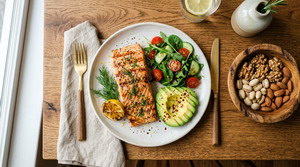
- Unsaturated fats, including olive oil, avocado, nuts, seeds, and fatty fish like salmon, can lower LDL cholesterol. However, their effectiveness is limited to replacing saturated fats, not simply adding them to your existing diet. (olive oil, avocado, nuts, seeds, and fatty fish like salmon) lower LDL — but only when they replace saturated fat, not when they’re just added on top of your usual diet.
A few simple swaps can make a big difference. For instance, try cooking with olive oil instead of butter, opting for fish or poultry over red meat a few times a week, snacking on a handful of nuts instead of chips, and choosing tomato- or olive oil-based sauces instead of cream-based ones.
For a comprehensive approach backed by robust long-term research, the Mediterranean-style eating pattern has been proven to reduce cardiovascular events, not just improve lab results. This pattern emphasizes vegetables, fish, olive oil, legumes, and whole grains, while limiting red meat and refined carbohydrates. Recent research that was very well controlled demonstrated that a keto diet with only 4% carbs actually did the best at lowering cholesterol over several years.
Move Your Body — Strategically
Exercise is a powerful tool, but it’s worth knowing wh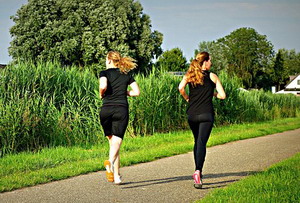 at it’s best at: it tends to raise HDL and lower triglycerides more reliably than it lowers LDL. If LDL is your main concern, think of exercise as a complement to dietary changes rather than a replacement for them.
What the evidence supports:
- 150 minutes a week of moderate activity (brisk walking, cycling, swimming) — enough that you can talk but not sing — spread across 4–5 sessions.
- Or 75 minutes a week of vigorous activity (running, fast cycling, interval training), which delivers similar benefits in less time and may have a slight edge for raising HDL.
- Resistance training twice a week on non-consecutive days, which supports weight management and insulin sensitivity — both of which indirectly help your lipid profile, especially triglycerides.
- Consistency over intensity. Most studies show measurable HDL and triglyceride improvements after 8–12 weeks of steady activity. LDL changes tend to be smaller and slower to appear.
- Break up long sitting stretches. If you have a desk job, standing or walking for a few minutes each hour is a low-effort addition, since prolonged sitting is linked to worse lipid profiles independent of formal exercise.
Weight Loss, Even Modest Amounts
If you’re carrying excess weight, losing just 5–10% of your body weight can produce noticeable improvements across your entire lipid panel — especially triglycerides and HDL. This doesn’t require a dramatic transformation; a sustainable, gradual calorie deficit combined with the dietary changes above tends to compound the benefits.
Supplements: What’s Worth Considering
Beyond food and exercise, several supplements have real evidence behind them. 
Plant sterols and stanols. These plant compounds block cholesterol absorption in your gut. At about 2 grams a day (available in fortified foods like certain margarines and orange juice, or in supplement form), they can lower LDL by roughly 5–15%.
Psyllium husk. As mentioned above, 5–10 grams a day is a well-studied way to lower LDL by about 5–10%, though it can affect medication absorption, so space it out from other pills.
Omega-3 fatty acids (fish oil). These shine more for triglycerides than LDL — 2–4 grams a day of combined EPA and DHA is the typical effective dose. Interestingly, very high doses can sometimes nudge LDL up slightly even while improving other markers, so more isn’t always better.
Bergamot extract. This citrus extract has drawn atte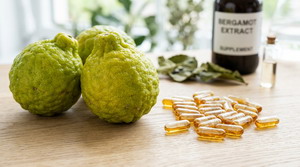 ntion because some trials show LDL reductions in the 10–25% range — closer to what you’d see with mild statin therapy than most supplements achieve. The evidence is promising but still comes mostly from smaller studies, and bergamot can interact with statins and other medications processed through the same liver pathway.
Red yeast rice. Worth flagging separately: it contains a compound chemically identical to the prescription statin lovastatin. That means it can meaningfully lower LDL, but it also carries the same risks as a statin — potential muscle and liver effects — and its potency varies unpredictably between brands since it isn’t regulated like a drug.
A note on geranylgeraniol (GG). Statins and red yeast rice work by blocking an enzyme in the cholesterol production pathway — but that same pathway also produces other compounds the body needs, including CoQ10 and geranylgeraniol itself. Some researchers believe this side effect is a contributor to the muscle aches some people experience on statins or red yeast rice. GG is sold as a supplement on the theory that replacing it might ease these symptoms, and small early studies have shown some promise.
Niacin (vitamin B3). At high doses, niacin can raise HDL and lower triglycerides, but it requires amounts well beyond what you’d get from diet, commonly causes flushing, and recent research has raised questions about whether it actually reduces heart attacks and strokes.
The Bottom Line
The most effective approach usually isn’t any single item on this list — it’s combining several: soluble fiber, fat swaps,  regular movement, and, if applicable, modest weight loss. These effects tend to stack rather than compete.
Before taking bergamot, red yeast rice, or high-dose niacin — talk to your doctor or pharmacist if you’re already taking cholesterol medications or have liver or kidney concerns. And regardless of which path you take, periodic bloodwork is the only way to know whether your specific approach is actually moving your numbers.
Take care,
David
Ellen
Our spiritual discussion group decided they wanted to do a pizza party to celebrate my 73rd birthday a cou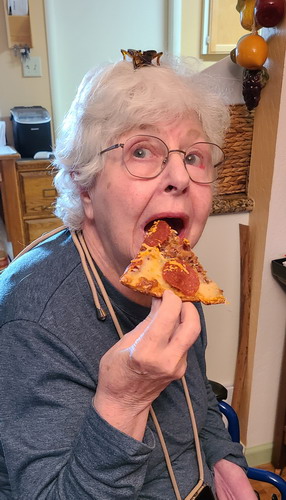 ple weeks early. We had a cauliflower crust pizza and two different cottage cheese crust pizzas! For dessert we indulged in an oat milk version of Ben & Jerry’s Phish Food ice cream – way too many carbs for me, but it sure was tasty!
Low back brace – good or not?
Although widely used for low back pain, there is no con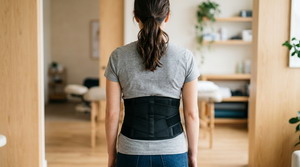 clusive data from trials that says they do anything. At the same time, the lack of data also says maybe they are helpful. Bottom line, we just don’t know.
___________________________
~David DeLapp
_____________________________________
Consciousness may arise from the dialog between the brain and the body
The interactions between the rythms of the heart, digestion , and breathing directly impact how information is processed in the brain. How these areas coordinate creates how lour experiences feel to us.
____________________________
“When you hold on to an attitude or belief about life and people that conflicts with your experience of what is, you block your ability to develop a new version of self that can adapt to what is more effectively.“
~David DeLapp
________________________________________
Resilience after trauma
Studying first responders who were involved in the World Trade Center collapse, researchers found that how well their brains anticipated positive rewards, ie optimism, determined  how well they responded to the event. Those with PTSD did poorly in the brain scans and those who did well showed higher activity in those brain regions.
“Approval seeking is a necessary survival tool, so don’t judge it. Begin with self approval and then use that to promote who you are to others.“
~David DeLapp
|
|