 Several patients have asked me questions about estrogen hormone and how it might affect their health, particularly cancer risk. Many cancers are estrogen-sensitive, meaning that estrogen is like fertilizer for them. Estrogen is one of many different hormone-disrupting chemicals. At last count, the EPA estimates there are over 85,000 different hormone-disrupting chemicals we are commonly exposed to that will affect our health. This topic has become increasingly relevant as research continues to reveal how everyday exposures in our modern environment may be affecting our bodies in ways we’re only beginning to understand.
What Are Hormone-Disrupting Chemicals?
 Hormone-disrupting chemicals, also called endocrine disruptors, are substances that interfere with your body’s natural hormone systems. Think of hormones as your body’s messengers – they carry important signals between organs and tissues. When these chemical impostors enter your system, they can mimic your natural hormones, block them from working properly, or alter their production levels.
 Your body’s hormonal system is incredibly precise, working with minute amounts of hormones to regulate everything from growth and reproduction to metabolism and mood. Even small disruptions can have significant effects, especially during critical periods like pregnancy, infancy, childhood, and puberty.
The Natural vs. Synthetic Distinction
Not all estrogenic compounds are created equal. It’s important to understand the difference between naturally occurring plant compounds and synthetic chemicals.
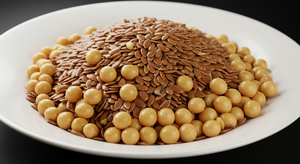 Phytoestrogens are naturally occurring compounds found in plants like soy, flax seeds, and whole grains. Despite initial concerns, research now suggests these plant compounds may actually help protect against certain cancers, particularly breast and prostate cancers. The key appears to be consuming them as whole foods rather than isolated supplements, and starting consumption early in life provides the most benefit.
 In contrast, synthetic hormone disruptors from petrochemical sources pose genuine health concerns. These include progestins in hormone replacement therapy, chemicals like BPA in plastics, phthalates in personal care products, and various compounds in household cleaners. Unlike plant compounds that our bodies have evolved alongside for millennia, these synthetic chemicals are foreign to our biology and can cause significant disruption.
 Where Are You Exposed?
The concerning reality is that we encounter these chemicals daily through multiple pathways:
In Your Kitchen:
Plastic food containers, especially when heated
Canned foods (many cans are lined with BPA-containing plastic)
Non-stick cookware
Plastic water bottles
In Your Bathroom:
Conventional shampoos, conditioners, and lotions containing parabens and phthalates
Cosmetics and makeup
Products with synthetic fragrances
Some brands of dental floss
Around Your House:
Cleaning products with synthetic chemicals
Air fresheners and fabric softeners
Vinyl shower curtains
Synthetic carpets and furniture treated with flame retardants
In Your Food Supply:
Conventionally raised beef (which may contain growth hormones)
Dairy products from cows treated with synthetic growth hormones
Produce treated with certain pesticides
 The Cancer Connection
The research linking hormone-disrupting chemicals to cancer is compelling and growing stronger. These chemicals can increase cancer risk through several mechanisms:
Hormonal Pathways: Many cancers, including breast, prostate, and endometrial cancers, are hormone-sensitive. Chemicals that mimic estrogen can fuel the growth of these cancers.
Epigenetic Changes: These chemicals can alter how your genes are expressed without changing the DNA itself, potentially turning on cancer-promoting genes or turning off protective ones.
Immune System Disruption: Some chemicals interfere with your body’s natural cancer surveillance systems.
Timing Matters: Exposure during critical developmental periods – in the womb, during childhood, or puberty – can have lifelong effects on cancer risk.
 Livestock and Hormones: Separating Fact from Fiction
There’s significant confusion about hormones in our food supply, so let me clarify the facts:
Beef and Dairy: Growth hormones are still permitted and commonly used in cattle production in the United States. These include both natural hormones like estradiol and synthetic compounds. European scientists have concluded that some of these hormones pose cancer risks, which is why the EU banned their use.
Chicken and Turkey: Despite what 77% of Americans believe, no hormones have been used in poultry production since the 1950s when the USDA banned them.
Pork: Similarly, hormones are not permitted in pig farming in the United States.
Fish: Hormone use varies by region and farming practices, with regulations differing significantly between countries.
 Special Considerations: Essential Oils and Progesterone
Two areas that often surprise my patients are essential oils and bioidentical hormones.
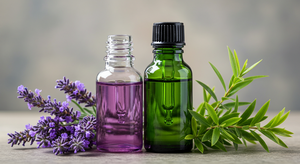
Certain essential oils, particularly lavender and tea tree oil, contain compounds that can mimic estrogen and block male hormones. While research on cancer risk is limited, these oils have caused hormonal effects in children, including abnormal breast development in boys. I recommend using these oils sparingly and avoiding regular use on children.
 Regarding progesterone therapy, the news is more encouraging. Unlike synthetic progestins, which increase breast cancer risk, natural bioidentical progesterone appears much safer and may even be protective. For uterine cancer, progesterone is actually protective – it’s essential for counteracting estrogen’s effects on the uterine lining.
Practical Steps to Reduce Your Exposure
The good news is that you can significantly reduce your exposure with some simple changes:
 In the Kitchen: Replace plastic food containers with glass or stainless steel.
Choose fresh or frozen foods over canned when possible.
Never heat food in plastic containers.
Use stainless steel or cast iron cookware instead of non-stick.
Install a quality water filter.
Personal Care: Choose products labeled “paraben-free” and “phthalate-free.”
Avoid synthetic fragrances – look for “fragrance-free” or naturally scented products.
Use simple, minimal-ingredient products when possible.
Around the House: Replace conventional cleaners with simple ingredients like white vinegar and baking soda.
Skip fabric softeners and dryer sheets – use wool dryer balls instead.
Choose organic cotton or hemp shower curtains over vinyl.
Avoid air fresheners and plug-ins.
Food Choices: Choose organic or hormone-free beef and dairy when possible.
Buy organic produce, especially for items on the “Dirty Dozen” list.
Remember that chicken and pork are already hormone-free by regulation.
 A Balanced Perspective
While this information might seem overwhelming, remember that your body has remarkable resilience and repair capabilities. The goal isn’t to create anxiety but to empower you with knowledge to make informed choices. You don’t need to change everything at once – start with the easiest swaps and gradually transition to safer alternatives as products need replacement.
 Focus on the changes that will have the biggest impact: what you eat, drink, and put on your skin daily. Small, consistent changes can significantly reduce your overall exposure while supporting your body’s natural cancer prevention mechanisms. Ellen and I started this process about 20 years ago, and it took a couple of years to get most everything switched out. The process stimulated many of the products I have created for the office.
 Moving Forward
As research continues to evolve, we’re learning more about how to protect ourselves from these environmental threats. The key is staying informed, making gradual improvements, and not letting perfection be the enemy of good. Every positive change you make reduces your risk and supports your long-term health.
 Remember, cancer prevention is multifaceted – reducing chemical exposures is just one piece of the puzzle alongside maintaining a healthy diet, staying active, managing stress, and getting regular health care. By taking a comprehensive approach to your health, you’re giving your body the best chance to thrive.
Take care,
David
Ellen
 Part of the process of moving my mother to a memory care facility, is now cleaning out her place. That includes all the stuff we had stored up in a shed on her property. This included boxes of old photos and memorabilia. So naturally we have had to revisit some old times, including old picture albums full of pictures of Ellen many previous husbands.
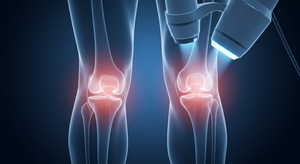 Radiation for bad knees?
An interesting new study has found that using radiation equal to about 5000 chest X-rays 6 times produces meaningful improvement in the function of mild to moderately arthritic knees for 57% of the folks that tried it.
___________________________
“Principle of active hope. Active hope recognizes the constantly changeable nature of reality and works today for a better tomorrow. Passive hope just wishes to be given a better tomorrow without work.“
~David DeLapp
_____________________________________
 Air pollution makes sleep apnea worse
Sleep apnea raises your risk of having a heart attack or stroke, so keeping it in check is valuable. New research has shown that air pollution makes apnea worse. Sacramento has some of the worst air pollution in the country, so get your air filters out and running at night.
____________________________
“Principle of acceptance. “What is” is what is. All perceptions and actions we make are false and failing until we embrace reality as it is.“
~David DeLapp
________________________________________
Tapping improves comprehension
 Interesting research has found that the act of physically tapping your fingers at a rate of about 2 taps per second improved folks ability to understand spoken language in a difficult environment such as a noisy cafe.
________________________
“Principle of honesty. Honesty comes from knowing who you are and what you have to give. Lying comes from not knowing how to get your needs met because you want the power to get without having to give.“
~David DeLapp