|
We hear a great deal about which diet is healthiest.  One week, carbohydrates are the problem. The next, fat is the enemy. Some experts advocate a Mediterranean diet, others recommend a plant-based approach, and still others believe that restricting carbohydrates is the key to restoring metabolic health.
But perhaps we are asking the wrong question. Instead of asking which diet is best for everyone, perhaps we should be asking which diet produces the best results for each individual.

A fascinating recent study published in Cell Metabolism offers some interesting insight into this question. Researchers compared three distinctly different dietary approaches to weight loss and examined what happened inside the body, not simply what happened on the bathroom scale.
Their findings offer an important lesson about individual differences in metabolism.
Three diets, three different metabolic responses
The researchers studied people with obesity, predi abetes, and fatty liver disease. Participants were assigned to one of three diets:
- A very-low-carbohydrate ketogenic diet: Approximately 20 grams of carbohydrates daily.
- A Mediterranean diet: A balanced diet containing moderate amounts of carbohydrates and healthy fats.
- A very-low-fat, plant-forward diet: A diet deriving approximately 70% of its calories from carbohydrates, primarily plant foods.
An important feature of this study was that researchers wanted to separate the effects of weight loss itself from the effects of dietary composition. Participants in all three groups lost approximately 10% of their body weight. Consequently, the researchers could compare metabolic improvements without one group having a significant weight-loss advantage over another.
The results were particularly interesting.
All three diets improved insulin sensitivity in skel etal muscle by approximately 50%. In other words, weight loss helped muscle cells respond more effectively to insulin regardless of which dietary approach produced that weight loss.
However, the ketogenic diet produced substantiall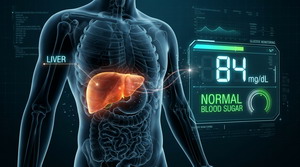 y greater improvements in liver metabolism. Participants following the ketogenic diet experienced a two-to-three-fold greater improvement in hepatic insulin sensitivity compared with the other two groups. Liver fat decreased by approximately 67%, compared with approximately 45% in both the Mediterranean and low-fat groups.
The ketogenic group also experienced greater reductions in average glucose levels, insulin exposure throughout the day, and several other markers associated with metabolic dysfunction.
These findings are particularly relevant because fatty liver and insulin resistance frequently occur together. Improving the liver’s ability to regulate glucose and fat metabolism may have benefits extending well beyond what we see on a scale.
Interestingly, despite the substantial differences in 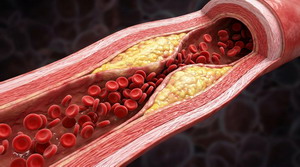 dietary fat consumption, the researchers found no significant differences between the three groups in LDL cholesterol or apolipoprotein B (ApoB) after weight loss.
This is an important finding, although it should not be interpreted as proof that ketogenic diets never increase cholesterol. Sometimes they do. Individual responses can vary considerably.
What about kidney function?
Another interesting observation involved kidney fu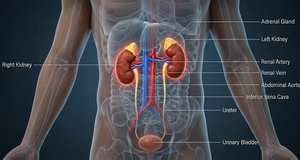 nction.
The ketogenic group experienced an improvement in estimated glomerular filtration rate (eGFR), a commonly used measure of kidney function. This improvement was associated with a reduction in cystatin C rather than a change in creatinine. This is important because creatinine is strongly affected by meat consumption, and would be heavily affected by which diet the test subjects were on. This makes it a useful complementary measurement when evaluating kidney function.
The finding is encouraging, but it was a secondary outcome in a relatively small study. It does not establish that ketogenic diets improve kidney function in everyone.
Nevertheless, it is another reason to look beyond traditional weight-loss measurements when evaluating the effects of dietary interventions.
Your metabolism is not everyone else’s metabolism
Here is where I think the study becomes especially i nteresting from a practical standpoint. We sometimes approach nutrition as though the human body responds predictably to a particular dietary prescription. If a diet improves insulin sensitivity in one person, we assume it should do the same in everyone. If a particular eating pattern raises cholesterol in one person, we may conclude that it is unhealthy for everyone.
Real-world experience tells us otherwise.
I have personally experimented with several different dietary approaches over the years, including prolonged ketoge nic eating and periods of increased carbohydrate consumption. My own metabolic responses have not always followed the expectations established by conventional dietary advice.
For example, during my recent experiments with cycling between nutritional ketosis and higher-carbohydrate eating, I observed reductions in my LDL cholesterol and improvements in my eGFR.
Those results are interesting because they differ from some of the commonly reported responses to ketogenic diets. However, they are my individual observations, not evidence that everyone will experience similar changes.
This is precisely why I find the concept of individualized nutrition so important.
Two people can follow essentially the same diet and  experience very different changes in blood glucose, insulin, triglycerides, cholesterol, liver fat, body composition, and kidney function.
Genetics, body composition, existing metabolic health, activity levels, age, food quality, and individual differences in metabolism all contribute to these responses.
The most useful diet is not necessarily the one that receives the most favorable headlines. It is the one that produces measurable improvements in your own health while remaining practical enough to maintain.
Don’t guess. Measure.
If you are making significant changes to your diet, I encourage you to establish a baseline and periodically evaluate what is happening internally.
The bathroom scale provides only a small piece of the picture. Depending on your health goals, useful measurements may include:
- Fasting glucose and HbA1c: These help evaluate blood sugar regulation.
- Fasting insulin: This can provide additional insight into insulin resistance, particularly when interpreted alongside glucose.
- Triglycerides and HDL cholesterol: These offer useful information about metabolic health.
- LDL cholesterol and ApoB: These help evaluate cholesterol-related cardiovascular risk. ApoB is particularly useful because it estimates the number of potentially artery-entering lipoprotein particles.
- Kidney function: Consider both creatinine-based eGFR and cystatin C when appropriate.
- Liver health: Liver enzymes can be useful, but they do not reliably exclude fatty liver. When indicated, imaging or other assessments may provide a more complete picture.
The timing of these measurements matters, too. Ideal ly, repeat testing should occur after allowing sufficient time for your dietary changes to produce a meaningful metabolic response. Your healthcare provider can help determine which measurements are appropriate and how frequently they should be repeated. My son Mason is involved with a health program called Rythm, in which he tests his blood every month at home to find out how his diet is affecting his health. He is seeing valuable feedback quickly which enables him to adjust his diet and see the results.
The bigger lesson
I don’t believe everyone should follow a ketogenic diet. Nor do I believe everyone should follow a Mediterranea n or plant-based diet. That choice is driven by your goals and individual needs.
Each approach has potential advantages and limitations. The study cited above, provides compelling evidence that dietary composition can influence metabolic improvements independently of the amount of weight lost. In particular, its findings suggest that carbohydrate restriction may offer additional advantages specifically for people with obesity, prediabetes, and fatty liver. If those are not your specific concerns, then the results of this diet study may not apply to you. The study was relatively small, involved a specific population, and followed participants through a controlled weight-loss intervention. We must be careful about extending its conclusions to everyone.
Your health is not determined by how closely you follo w someone else’s dietary philosophy. It is determined, in part, by how well your chosen lifestyle supports your own physiology.
That is why I believe the most effective nutritional strategy is not necessarily a particular diet. It is an individualized approach, guided by observation, measurable results, and a willingness to adjust when the evidence tells us something different.
Take care,
David
Last week was Susie’s birthday. We went to Texas Roa dhouse to celebrate. This was Ellen’s first social outing since her hip replacement. She is good for about 2 hours being up, and that is just how long we were out and about. Good times were had by all. Ellen and I ended up ordering something called roadkill. It was delicious. The menu did not specify what type of meat was in the dish.
Potassium salt could save millionsAdding potassium chloride to regular salt could prevent 3 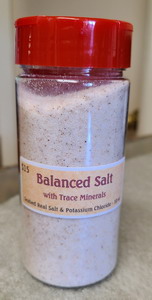 million deaths a year. My Dr. Dave salt is one such salt! Potassium balances the sodium so the body can process the sodium salt properly. More
___________________________
“Don’t try to fix people. They are not broken. They are brilliant puzzle solvers working on their current puzzle. To try to fix them is to take away their puzzle. When someone is not okay they need empathy. They are not ready for more. When they want more, then support/guide them.“~David DeLapp
_____________________________________
Kudzu reduces binge drinking
The herb kudzu has been found to reduce bing drinki ng by about 30% compared to a placebo. Participants in the study took the supplement about 21/2 hours before they expected to drink heavily.
More
____________________________
“The desire for security is the desire to be separate from the uncertainties of life, yet it is this separateness from life that produces our insecurity. Life is constant change. True security comes from learning to embrace and adapt to change. More than that, it is this adaption to the unknown that produces interest and excitement with life.“
~David DeLapp
________________________________________
Music with a beat lowers stress hormones
Pink noise and brown noise have become popular for inducing relaxation. But compared to music you like that has a beat to it, the music lowers cortisol more than twice as much.
More
________________________
“A general tone of happiness comes from appreciating the skills we have developed; from knowing that we are good enough. We accept that there will always be new problems and challenges, but overall we are good enough. “
~David DeLapp |
|
|