Key concept: Cholesterol is only a tiny piece of the atherosclerosis story.
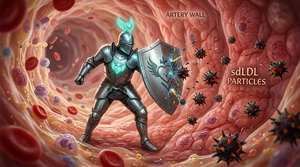
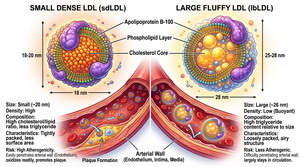 Did you know that cholesterol does not actually cause atherosclerosis or plaque formation in your arteries? In fact when you have your cholesterol checked, what number do they give you? They tell you your LDL number. That is not cholesterol. That stands for Light Density Lipoprotein, not cholesterol. Lipoproteins are like the trucks that carry cholesterol around. Cholesterol and triglycerides are packaged up inside these “trucks”. Why is this important? Because the big 18 wheeler trucks (large fluffy LDL) are innocent. It is the smaller delivery trucks (sdLDL – small dense lipoproteins) that cause the problems. Your genetics, diet, and lifestyle determine how many little trucks you have running around compared to big trucks. Lots of little trucks is bad.
Introducing the Glycocalyx…
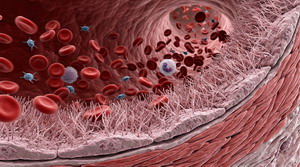 What if the real key to preventing plaque isn’t only about your LDL cholesterol numbers, but about strengthening a remarkable protective layer inside your arteries? That layer — the endothelial glycocalyx — is quickly becoming one of the most exciting areas in heart health. In this updated guide, we’ll explore how protecting your glycocalyx can address root causes of atherosclerosis, why plaque forms only in arteries (not veins), the truth about small dense LDL, smart fat choices including omega-6 management, and how diet quality plus supportive strategies can make a real difference.
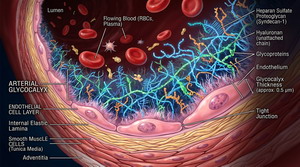
Understanding the Glycocalyx: Your Artery’s First Line of Defense
The glycocalyx is a delicate, furry, gel-like “sugar coat” that covers the endothelial cells lining your blood vessels. Made of proteoglycans, glycoproteins, hyaluronic acid, and sialic acids, it acts like a smart filter and sensor.
A healthy glycocalyx:
- Repels or limits harmful particles from entering the artery wall.
- Senses smooth blood flow and triggers nitric oxide release to keep arteries relaxed.
- Reduces inflammation by preventing white blood cells from sticking.
When damaged by high blood sugar, inflammation, oxidative stress, disturbed flow, or aging, the glycocalyx thins and becomes leaky. This opens the door for lipoproteins (the trucks that carry cholesterol around) to enter the artery wall, where trouble begins.
 Important clarification: Plaque almost exclusively forms in arteries, not veins. Arteries face high pressure and turbulent flow at branches and curves, which stresses the glycocalyx. Arterial walls also contain proteoglycans that readily trap lipoproteins. Veins, under low steady pressure, have a more stable glycocalyx and different wall structure, making plaque rare.
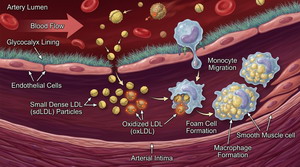
Small Dense LDL: More Dangerous than fluffy large LDL particles
Small dense LDL (sdLDL) particles are more atherogenic (plaque forming) because they penetrate a damaged glycocalyx more easily, bind more strongly to the artery wall, stay in circulation longer, and oxidize more readily once trapped. This is tested with an NMR LipoProfile blood test. If your doctor won’t order it for you, we can order it.
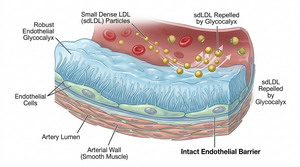 Key point: sdLDL circulating in your blood is not already oxidized. Oxidation mainly happens after these particles enter the arterial wall. This is why protecting the glycocalyx barrier is so powerful — it prevents the entry and retention that turns susceptible particles into troublemakers.
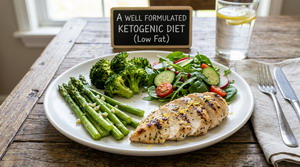
Diet Quality Matters More Than Macronutrient Ratios
The best diet for your arteries emphasizes whole-food quality and metabolic health over strict labels.
- Well-formulated ketogenic or low-carb diets: In metabolically healthy people (including many lean mass hyper-responders), these often improve insulin sensitivity, lower triglycerides and inflammation, raise HDL, and help preserve the glycocalyx.
- High-quality low-fat diets: Intensive plant-based, very low-fat programs with lifestyle changes have shown plaque regression in landmark trials. However, replacing fat with refined carbs can increase sdLDL and stress the glycocalyx.
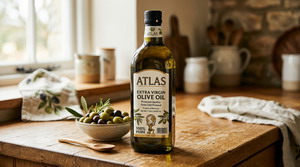
Standout performer: High-polyphenol extra virgin olive oil (EVOO) consistently supports better endothelial function and slower plaque progression.

Smart Fat Choices: Managing Omega-6 Intake
The primary driver of sdLDL formation is elevated triglycerides from refined carbohydrates, not dietary fats per se. Therefore, lowering refined carbs remains the most effective way to reduce sdLDL numbers.
That said, the type of fat you eat influences LDL quality and oxidation risk:
- Excess omega-6 polyunsaturated fats (especially linoleic acid from refined seed oils like soybean, corn, sunflower, and cottonseed) can make LDL particles more prone to oxidation once they reach the artery wall.
- Moderating these omega-6 sources while favoring monounsaturated fats (from high-phenolic EVOO and avocado oil) and omega-3 fats (from fatty fish and high-quality krill oil) improves the omega-6 to omega-3 ratio. This can enhance LDL stability, reduce oxidation potential, and better support the glycocalyx and endothelial health.
Practical swaps: Use EVOO for dressings, choose avocado oil for cooking when needed, and minimize highly processed foods containing industrial seed oils. This approach complements a glycocalyx-friendly diet without requiring extreme restriction.
Supportive Supplements That Target the Glycocalyx and Arteries
Several accessible options can help:
- Glycocalyx restoratives: Arterosil HP (rhamnan sulfate) or Endocalyx Pro blends (fucoidan, hyaluronic acid, glucosamine) supply building blocks to repair this protective layer.
- High-dose krill oil (EPA/DHA): Reduces inflammation, stabilizes plaques, and improves particle quality.
- Nattokinase (around 10,000 FU daily): Promising for reducing carotid plaque size in studies — use under medical supervision.
- Agmatine sulfate: Supports nitric oxide balance and endothelial protection.
- L-Carnosine and Taurine: Carnosine excels at blocking glycation damage; taurine offers strong benefits for blood pressure, endothelial function, and plaque modulation. Many use them together.
- Berbrerine and Pomegranate juice extract: berberine lowers LDLc and apoB as well as directly reducing plaque – take 500mg 2-3 times daily. Pomegranate juice equivalent to 8 – 12 oz daily also reduces plaque.
- Vitamin K2 (mk7 form): K2 helps prevent calcium from depositing in plaques. K2 is often paired with vitamin D3.
Your Practical Action Plan
- Test wisely: Coronary artery calcium (CAC) score, carotid ultrasound, apoB, sdLDL, and inflammation markers give a clearer picture than standard cholesterol alone.
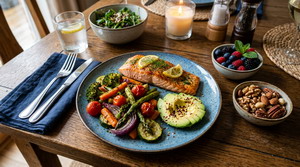
- Eat for glycocalyx health: Prioritize vegetables, berries, high-phenolic EVOO (2+ tablespoons daily), fatty fish, avocados, nuts, and minimize refined carbs/sugars and excess omega-6 seed oils.
- Move daily: Steady exercise promotes healthy laminar flow that nourishes the glycocalyx.
- Consider targeted support: Discuss the above supplements with your healthcare provider.
- Monitor and adjust: Re-test imaging and markers periodically. Pay attention to how you feel and your energy levels.
Final Thoughts
Small dense lipoproteins play a causal role in atherosclerosis, but they need a vulnerable arterial environment (damaged glycocalyx + high pressure + retention-prone wall) to cause harm. By focusing on glycocalyx protection, superior diet quality (including smart omega-6 management), and evidence-based supports, you target the actual sites where plaque begins.
Your arteries are dynamic and responsive. With consistent, informed choices — nourishing the protective glycocalyx, choosing real foods, and using smart strategies — you can meaningfully lower your risk and promote long-term vascular resilience.
Take care,
David
Ellen
 It has been a frustrating week. Our GP has sent an official referral to the specialist 5 times, and the office of the specialist keeps insisting that they have recieved nothing. The recieved the MRI reports and the request for a peer-to-peer consultation for our GP, but no referral. Finally Friday I asked our GP to fax the referral to me directly so I could hand carry it to the specialists office. On a whim I also sent the fax I recieved from the GP to them. Ellen called their office a couple hours later and amazingly they got the referral I faxed, thus saving me a drive to north Roseville. Now we are waiting for the specialist to get back to us.
COPD symptoms improved with isoflavones
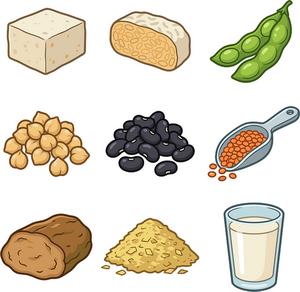 Isoflavones are largely found in soy products such as tempeh, tofu, edame, and legumes like chickpeas, and lentils. These are not a cure, but they seem to ease the symptoms of COPD.
___________________________
“The essence of the spiritual journey is learning the participation skills to move us from separation into loving harmonious connection with all life. ”
~David DeLapp
_____________________________________
Could gut bugs cause memory loss?
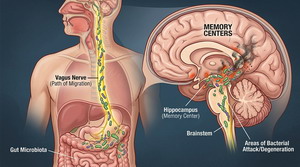 Studies in young mice have shown that certain gut bugs produce chemicals that impair communication from the gut to the brain, thus producing memory loss. With the mice a simple dose of antibiotics restored the young mice’s memory.
____________________________
“Everyone is different and their feeling reactions to everything in life are different. For this reason, you can not reliably make another person be happy by your actions, because you have no idea how they will react to your actions. “
~David DeLapp
________________________________________
Anxiety found to increase with fructose sugar malabsorption
 About 60% of people don’t digest fructose from sugar properly. New research is finding that these people then show increased anxiety, and gut inflammation, probably related to several strains of gut bugs that grow well with the undigested fructose.
________________________
“Positivity is built out of who you are, negativity is built out of what you have and don’t have. There is no lack in who you are, simply unmanifested abilities. Conversely there are never enough possessions to fill the inner void.“
~David DeLapp