
What Is Autophagy?
Imagine if every night, while you slept, a team of cleaners came through your home—sorting, recycling, and hauling away the junk that’s built up during the day. Inside your body, something remarkably similar happens at the cellular level. This process is called autophagy, from the Greek auto (“self”) and phagein (“to eat”)—literally, “self-eating.”
While it may sound alarming, autophagy is one of the most beneficial and essential repair systems you have. It’s the way your cells identify worn-out components, misfolded proteins, and damaged organelles, then break them down and recycle them for parts. In short, autophagy keeps your cells young, clean, and efficient.
This system operates quietly in the background every day, but it kicks into high gear when your body experiences certain signals—especially energy stress. That’s why autophagy is most active during fasting, exercise, and periods of lower nutrient intake. When you learn how to safely and rhythmically activate this process, it becomes one of the most powerful tools for long-term health and healthy aging.

Why Autophagy Matters
Autophagy serves as a bridge between metabolism and longevity. It’s the process that keeps your cells from becoming cluttered and inflamed—a little like decluttering your garage before it’s too full to move around in.
Research has shown that enhancing autophagy can:
Promote Longevity and Healthy Aging
Animal studies consistently show that enhanced autophagy slows aging, reduces oxidative stress, and extends lifespan. In humans, people who regularly fast or eat in restricted windows tend to have better markers of metabolic and cardiovascular health.
 Protect the Brain
Autophagy clears out damaged mitochondria and misfolded proteins, including the same types involved in Alzheimer’s and Parkinson’s disease. It helps neurons stay flexible and resilient.
Support Metabolic Health
By improving insulin sensitivity and reducing fat accumulation in the liver and muscles, autophagy plays a role in preventing metabolic syndrome, fatty liver disease, and type 2 diabetes.
Boost Immunity and Cellular Defense
Your immune system relies on autophagy to recycle immune cells and remove intracellular pathogens. It’s your built-in “cellular disinfection” system.
Reduce Inflammation and Oxidative Stress
Damaged cellular debris is highly inflammatory. By clearing it out, autophagy lowers systemic inflammation—one of the key drivers of chronic disease.
Improve Energy Efficiency
Autophagy fine-tunes your mitochondria, your cells’ power plants, so they produce energy more cleanly and efficiently. People often describe feeling more alert and energetic after adopting an autophagy-friendly lifestyle.

When Does Autophagy Occur?
Autophagy isn’t “on or off.” It’s always humming in the background, but it intensifies when nutrient-sensing pathways detect scarcity.
Two main molecular switches control it:
mTOR (mechanistic target of rapamycin) — turns off autophagy when nutrients, especially amino acids, are abundant.
AMPK (AMP-activated protein kinase) — turns on autophagy when energy is low (for example, during fasting or exercise).
When mTOR quiets down and AMPK rises, your cells flip from “growth and storage” mode into “repair and recycle” mode. This shift doesn’t happen immediately when you skip breakfast—it takes several hours of reduced energy intake before autophagy ramps up significantly.
Most research suggests that meaningful autophagy begins around 14–18 hours into fasting, increases through 24 hours, and may peak between 36–48 hours depending on activity and nutrient status.

How to Encourage Autophagy Naturally
Fortunately, you don’t need to starve yourself to gain the benefits. A few smart habits, applied consistently, can establish a gentle rhythm of repair throughout the week.
Let’s look at what works best.
1. Intermittent Fasting: Your Most Reliable Trigger
The simplest way to engage autophagy is to spend part of each day not eating.
A practical and well-studied approach is Time-Restricted Eating, sometimes called the 16:8 plan. You fast for 16 hours (including sleep) and eat your meals within an 8-hour window.
For example:
Stop eating after dinner at 7:00 p.m.
Skip breakfast
Eat your first meal at 11:00 a.m.
Finish dinner by 7:00 p.m.
During the fasting window, you can drink water, black coffee, or unsweetened green tea. These support hydration and even enhance autophagy through mild AMPK activation. You can also consume non-calorie foods like salad greens, zero carb noodles, broth, very low calorie fiber foods.
If 16 hours feels too long at first, start with 12 hours (7 p.m. to 7 a.m.) and gradually extend the fasting period by an hour every few days.
For deeper autophagy once a week or month, you can experiment with:
A 24-hour fast (from dinner to dinner)
Or a 36-hour fast (from dinner to breakfast 36 hours later)
Always ensure hydration and listen to your body; fasting should leave you feeling clear-headed, not weak or dizzy. The best way to avoid feeling weak is to avoid all carbs for the couple of days leading up to the fast.
2. Choose Foods That Support Cellular Renewal
When you do eat, focus on foods that naturally aid autophagy and keep mTOR in check.
 Best Foods to Encourage Autophagy:
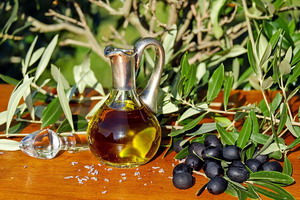
Extra Virgin Olive Oil and Olive Leaf Extract – rich in oleuropein, a compound that activates AMPK and inhibits mTOR.
Green Tea – contains EGCG, a polyphenol known to enhance autophagy and mitochondrial health.
Wheat Germ, Soy Natto, Aged Cheese, Mushrooms – natural sources of spermidine, one of the most studied autophagy activators in humans.
Berries, Apples, and Red Grapes – high in resveratrol and quercetin, both SIRT1 activators.
Turmeric – contains curcumin, which supports autophagy while reducing inflammation.
Balance Macronutrients:
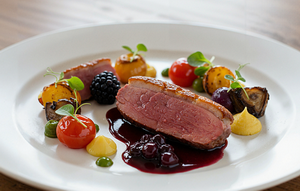
Protein: Keep intake moderate—about 0.6–0.8 g per kilogram of ideal body weight per day. Excess protein (especially leucine) keeps mTOR turned on, which can blunt autophagy.
Carbohydrates: Emphasize low-glycemic, high-fiber options—vegetables, legumes, and moderate low glycemic fruits like berries.
Fats: Include healthy sources like olive oil, avocados, nuts, and fatty fish.
In essence, eat like the traditional Mediterranean populations: plenty of plants, modest protein, and generous use of olive oil.

3. Move Your Body (Especially While Fasting)
Exercise is another powerful autophagy trigger, especially in muscle and brain tissue. You don’t need to train like an athlete—simply walking briskly, cycling, or doing light resistance work during your fasting window increases AMPK activation and mitophagy (the cleanup of damaged mitochondria).
Fasted morning exercise is especially effective: your glycogen stores are low, so your cells naturally sense energy scarcity and upregulate autophagy. The idea is to burn up the available sugar calories floating around in your system.
Aim for:
3–4 days per week of moderate activity
Include one session of more vigorous training (HIIT or resistance)
Keep recovery days easy; overtraining suppresses autophagy

4. Rest, Sleep, and Restore
Autophagy follows your circadian rhythm. Deep sleep—especially between 11 p.m. and 3 a.m.—is when your brain’s cleaning systems (including the glymphatic system) are most active. Consistent sleep helps synchronize autophagy cycles across tissues.
Simple habits to enhance this:
Go to bed at a consistent hour
Avoid late-night snacking (which suppresses overnight autophagy)
Keep your bedroom cool and dark

5. Weekly Rhythm: A Practical Plan
Here’s a straightforward weekly routine you can follow to promote regular cellular cleanup without extreme fasting or restriction:
Day Strategy Goal
Sun- Thu 16:8 fasting Light autophagy (e.g., 11 a.m.–7 p.m.)
Fri eat non-calorie foods only Trigger deep
autophagy
Sat eat normally – higher protein Rebuild nutrition
Throughout the week, emphasize:
Daily green tea or black coffee during fasts
Olive oil and plant polyphenols at meals
Moderate exercise 4–5 days per week
7–8 hours of sleep nightly
This cyclic pattern—periods of repair followed by nourishment—mimics how humans evolved to thrive in alternating feast and fast cycles. It’s sustainable, flexible, and strongly supportive of long-term vitality.

6. Safety Considerations
Autophagy is beneficial when used wisely. But too much fasting or chronic under-eating can backfire. You should avoid extended fasting if you are:
Underweight or have a low BMI
Diabetic or on glucose-lowering medications (without supervision)
Pregnant, breastfeeding, or have a history of disordered eating
If you fall into one of these groups, you can still support autophagy gently through overnight fasting (12–14 hours), a plant-rich Mediterranean diet, and regular exercise.
The Takeaway
Autophagy is not a fad—it’s a fundamental biological rhythm, an internal renewal system that every human depends on. Modern lifestyles filled with constant eating, stress, and poor sleep keep that system switched off far too often. By restoring short, regular periods of rest to your metabolism, you allow your body’s natural repair mechanisms to do what they were designed to do.
Think of it as scheduling time for your cells to tidy up and recharge.
You don’t need extreme measures—just rhythm, balance, and awareness:
Fast a little each day
Move often
Eat wisely
Sleep deeply
Do that consistently, and you’ll be giving your body one of the most powerful gifts of all: the chance to renew itself from the inside out.
Take care,
David
An inflation adjustment increase of our fees of $5 will begin Nov. 3rd. A standard office visit will be $80, and for folks over 65 it will be $55.
Ellen
 Frequently while I am working on this newsletter sitting at my computer typing away with both index fingers and the occasional middle finger, Ellen will be working with clients on the phone. Issues come up between sessions, or refinements need to be made on a prayer to align the request with what the client is ready for. So when I look up this is what i see.
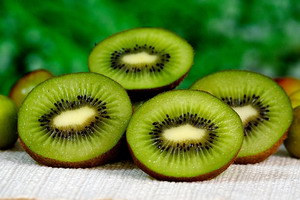 Best food for constipation
The assumption forever has been that fiber is good for constipation, but the studies do not back this up. It is good for lots of other things. The strongest scientific evidence says that green kiwi is actually the best food for constipation.
___________________________
“Principle of reciprocation. To the extent that I demand others be my way, they will demand I be their way. This sets up judgment and abandonment.“
~David DeLapp
_____________________________________
 Night lights might kill you
After reviewing 13 million hours of sleep data the research found that sleeping while exposed to normal room light increased the chances of heart failure by 56% and heart attack by 47% compared to sleeping in total darkness. Conversely getting good exposure to bright light during the day lowered your chances of heart failure.
____________________________
“Principle of limitlessness. Our energy has no limits. Separation is an illusion. We are all interconnected energetically.“
~David DeLapp
________________________________________
Eucalyptol antiviral
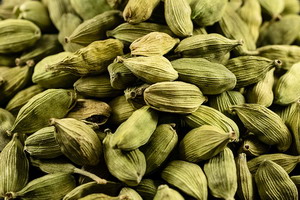 Eucalyptol, found in eucalyptus, cardamom, rosemary, and bay leaves has been found to be a powerful antiviral compound. The study was done with hot water extracts, so a tea made with any of these would be helpful in limiting viral infections.
________________________
“Energy flows where the attention goes. Your only control in life is over your attention. What you pay attention to increases in your life.“
~David DeLapp