
The Histamine Handbook:
Understanding Your Body’s Alarm System
For about two weeks now, patients have been com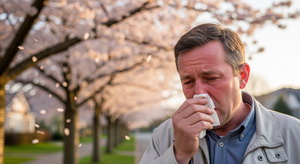 plaining of sinus issues. This is not the flu/head cold that hit us before Christmas and lasted forever, but the first signs of our lovely pollen season showing up. As I drive down the road, I am seeing lots of white and pink flowers bursting out on trees. Spring is coming! This got me thinking about histamine – that sneaky little chemical in your body that can be both a hero and a villain. If you’ve ever dealt with itchy eyes during springtime or felt bloated after a meal, histamine might be at play. Let’s break down what histamine is, how histamine intolerance differs from seasonal allergies, and share some easy lifestyle hacks to keep things in check.
What Exactly Is Histamine?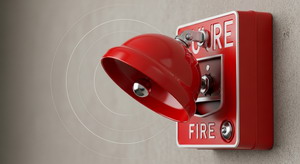
Imagine histamine as your body’s built-in alarm system. It’s a natural chemical produced by your immune cells, like mast cells and basophils, and it’s made from an amino acid called histidine. Histamine is stored in these cells like emergency flares, ready to be released when needed.
In everyday life, histamine wears many hats: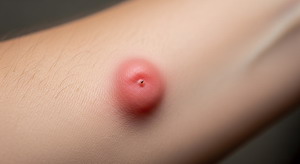
Immune Defender: When you get a bug bite or encounter an allergen, histamine rushes in to help. It makes blood vessels leaky so immune cells can swarm the area, causing redness, swelling, and itching – all to fight off invaders.
Gut Guru: It helps regulate stomach acid for digestion, ensuring you break down food properly.
Brain Booster: In your brain, histamine acts like a neurotransmitter, keeping you alert, regulating sleep, and even influencing mood and appetite.
Sounds helpful, right? But here’s the catch: too mu ch histamine can turn the alarm into a full-blown siren. Your body normally breaks it down with enzymes like diamine oxidase (DAO) in the gut. If that breakdown falters or histamine overloads the system, symptoms pop up – think headaches, hives, runny nose, or gut troubles.
Histamine isn’t just made in your body; it sneaks in t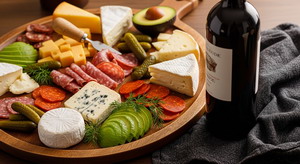 hrough food too. Foods like aged cheese, wine, or leftovers build histamine via bacteria during fermentation or storage. That’s why some folks feel worse after a charcuterie board!
In short, histamine is essential for survival, but balance is key. When it’s out of whack, it can mimic allergies or cause ongoing discomfort.
Histamine Intolerance vs. Seasonal Allergies: Spo t the Difference
Now, let’s clarify a common misconception: histamine intolerance (often referred to as HIT) versus seasonal allergies (such as hay fever). Both conditions involve histamine and can present similar symptoms, including sneezing, itching, and fatigue. However, they are distinct entities. Understanding the contrast can help you target the right fixes.
The Basics of Seasonal Allergies
Seasonal allergies, or allergic rhinitis, are your cla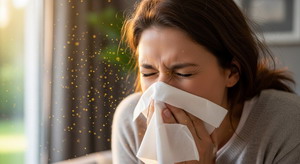 ssic “achoo!” reactions to things like pollen, grass, or mold. Here’s how it works:
Trigger: Inhaled allergens, such as tree pollen during spring, enter your nose or eyes.
Mechanism: Your immune system overreacts, producing IgE antibodies that attach to mast cells. Upon subsequent exposure, mast cells release histamine and other chemicals, causing inflammation.
Symptoms: These symptoms typically appear quickly, including itchy or watery eyes, sneezing fits, a stuffy nose, throat irritation, or even asthma attacks. They are often more severe outdoors during high-pollen seasons (refer to apps like Pollen.com for pollen counts!).
Causes: Genetics significantly contribute to allergies; if your family has allergies, you’re more susceptible. Environmental factors like pollution can exacerbate the condition.
Duration: Allergic reactions are episodic and are tied to specific seasons. However, some individuals experience year-round allergies due to dust or pets.
Think of it as your body mistaking harmless pollen for a threat, like a faulty smoke detector beeping at steam from your shower.
Histamine Intolerance: The Slow Burn
Histamine intolerance isn’t a true allergy; it’s more  like a processing glitch. Your body struggles to efficiently manage normal histamine levels.
Trigger: Often dietary – high-histamine foods (fermented stuff, aged meats, alcohol) or “liberators” that prompt your cells to release stored histamine (e.g., strawberries, chocolate). Stress, meds, or gut issues can worsen it.
Mechanism: Low DAO enzyme activity (due to genetics, gut inflammation, or nutrient shortages like vitamin B6/copper) means histamine builds up systemically. It’s not IgE-driven; no antibodies involved.
Symptoms: Broader and sneakier – digestive woes (bloating, diarrhea), skin issues (hives, flushing), headaches/migraines, anxiety, fatigue, or even heart palpitations. Symptoms might hit hours after eating and linger.
Causes: Often linked to gut problems (e.g., leaky gut, SIBO), hormonal shifts (like in women during cycles), or meds that block DAO (some painkillers or antidepressants).
Duration: Chronic or flare-based – not strictly seasonal, but can overlap with allergies if you’re sensitive.
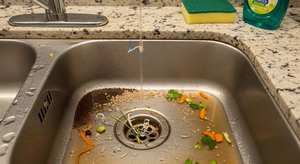 while HIT is like a clogged drain – histamine backs up from everyday sources. Many people have both, creating a “histamine bucket” that overflows easier. A doctor might diagnose allergies with skin tests or blood IgE levels, but HIT is trickier – often diagnosed via symptom tracking, diet trials, or DAO blood tests.
Why contrast them? Misdiagnosing HIT as “just allergies” means missing dietary tweaks that could help. On the flip side, ignoring allergies might lead to unnecessary food restrictions.
Simple Lifestyle Hacks for Managing Each
Good news: You don’t need fancy gadgets or pills to start feeling better. Here are practical, everyday hacks tailored to each issue. Start small, track dietary changes in a journal, and write down how you feel to track which changes produce the best results. Here is my list of high-histamine foods.
Hacks for Histamine Intolerance
Focus on reducing intake and boosting breakdown for a calmer system.
Fresh Food Focus: Stick to ultra-fresh meals. Cook proteins like chicken or white fish daily; freeze leftovers immediately. Avoid aged/fermented foods – swap cheese for fresh mozzarella, skip wine for herbal tea (chamomile if tolerated).
Low-Histamine Shopping: Build meals around safe bets like zucchini, cucumber, lettuce, eggs, white rice, and unripe pears. Use this link for a food list. Pro tip: Peel veggies to cut potential irritants.
Gut Support: Since 80% of histamine breakdown happens in the gut, nurture it! Eat small, frequent meals; try DAO-boosting nutrients (like vitamin C from broccoli, B6 from turkey). Probiotics? Opt for low-histamine strains like Bifidobacterium infantis.
Stress Busters: Stress spikes histamine release. Try 10-minute daily walks, deep breathing (4-7-8 technique: inhale 4, hold 7, exhale 8), or yoga. Aim for 7-9 hours of sleep – histamine rises when you’re tired.
Med Check: Review meds with your pharmacist; some block DAO. Natural aids like quercetin (from apples, if tolerated) or DAO supplements can help during flares.
With consistency, many see relief in 2-4 weeks. It’s about lowering that “bucket” level!
Hacks for Seasonal Allergies
These aim to dodge triggers and calm the immune frenzy.
Pollen Patrol: Check daily pollen forecasts (Pollen.com). Stay indoors during peak times (mornings, windy days); use air purifiers with HEPA filters. Shower and change clothes after outdoor time to rinse off pollen.
Nasal Tricks: Rinse sinuses with a NeilMed, neti pot, or saline spray – it’s like a gentle power wash for your nose. Keep windows closed; use AC with clean filters.
Anti-Inflammatory Eats: Load up on omega-3s (salmon, chia seeds) and antioxidants (berries, if not HIT-sensitive). Local honey? Some swear by it for building tolerance, but evidence is iffy – start small.
Natural Allies: Quercetin supplements or foods (like onions, capers, berries, apples, kale) act like natural antihistamines. Butterbur and stinging nettle herbs have shown promise in studies for reducing sneezes.
Lifestyle Layers: Exercise indoors during high pollen; wear sunglasses outdoors to shield eyes. Hydrate well – dry mucous membranes worsen symptoms. If OTC antihistamines help, pair them with these for a one-two punch.
Listen to Your Body
Histamine is a fascinating player in our health puzzle – protector turned troublemaker when unbalanced. Whether you’re battling histamine’s sneaky symptoms or seasonal allergies’ predictable assaults, small tweaks can make a big difference. Start with awareness: track triggers, eat fresh, manage stress, and seek pro advice for testing. My histamine questionnaire can be found here. Use it to see if you likely have histamine issues. The big idea is that histamines can be managed. The first step is to see if you have histamine intolerance or the more common immune-mediated reactions to allergens like pollen . Managing histamine can make life much more tolerable for those afflicted with histamine issues.
Take care,
David
Ellen
Just because you are stuck in bed most of the day because you don’t have the strength back to sit upright more th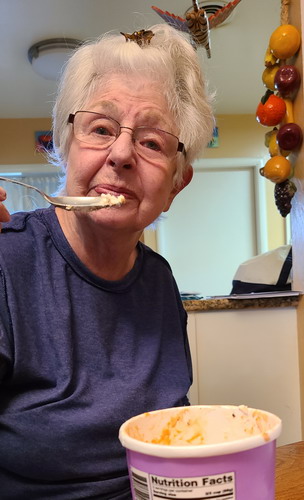 an an hour, doesn’t mean that you don’t want to make the most of things while you are up. Today that means Ellen is snagging a bit of sugar free ice cream. She loves to steal all the ribbons of good stuff leaving me the vanilla ice cream.
Near-sightedness – a new understanding

Recent research is pointing to the reason behind the worldwide epidemic of myopia – near sightedness. A lack of bright light entering our eyes while working on objects close to us may be the cause.
___________________________
~David DeLapp
_____________________________________

Researchers at UCSF have discovered that when we exercise our liver produces an enzyme that cleans away bad proteins that make our blood-brain barrier leaky. A leaky barrier allows bad stuff into the brain causing inflammation and degeneration.
____________________________
“The desire to dominate is a trap. The dopamine rush it produces is addictive making us a slave to those we try to dominate.“
~David DeLapp
________________________________________
Power of herbs can multiply 100 fold when combined together correctly
The anti-inflammatory effects of certain herbs are we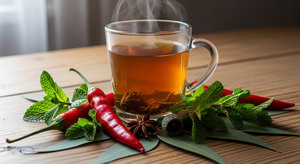 ll known, but they require huge doses to achieve their effects. New research has discovered that the effect of certain herbs multiplies massively when combined with other herbs. For instance capsaicin’s impact is hugely stronger when combined with mint or eucalyptus.
________________________
“Victims are essential for playing any type of social power game. They may feel unwanted and unvalued, but without them the power position players can’t get the winning feelings they are after. “
~David DeLapp