Key concept: What can we change and what do we have to accept?
HI ,
As I write this today, it is Thanksgiving. Ellen and I wok e up early, meaning about 4:45, and started talking about the fundamental relationship we develop with others as dependent infants and how that changes over time. I would say that is pretty strange stuff to be talking about that early in the morning, but in reality, it is pretty normal for us. Each day brings new challenges to our understanding of life and relationships, and after a night’s sleep, we usually have, or are open to, new perspectives on the previous day’s challenges. So early morning is a good time for us to chat about stuff. e up early, meaning about 4:45, and started talking about the fundamental relationship we develop with others as dependent infants and how that changes over time. I would say that is pretty strange stuff to be talking about that early in the morning, but in reality, it is pretty normal for us. Each day brings new challenges to our understanding of life and relationships, and after a night’s sleep, we usually have, or are open to, new perspectives on the previous day’s challenges. So early morning is a good time for us to chat about stuff.
The new perspective shift from the last couple of days is seeing how someone stuck in a dependent space will use a vi ctim stance to get the attention they need to get their needs met. The challenge we were running up against is how that same victim stance will be used to try to get what we want (meaning getting our way) from others. This is not about getting survival needs met, but demanding that others be our way simply because that is what makes us feel comfortable and empowered. As always, any time we see something in the world that catches our attention with a judgment that something is wrong, we immediately look to our own history to see where we were doing the same thing ourselves. The principle is: all judgments are self-judgments. So if we are uncomfortable with something we observe, then that discomfort came from some similar personal experience in our past. ctim stance to get the attention they need to get their needs met. The challenge we were running up against is how that same victim stance will be used to try to get what we want (meaning getting our way) from others. This is not about getting survival needs met, but demanding that others be our way simply because that is what makes us feel comfortable and empowered. As always, any time we see something in the world that catches our attention with a judgment that something is wrong, we immediately look to our own history to see where we were doing the same thing ourselves. The principle is: all judgments are self-judgments. So if we are uncomfortable with something we observe, then that discomfort came from some similar personal experience in our past.
It is natural for infants to express their discomfort when they get hungry, thirsty, hot, cold, sleepy, and so on. These expres sions let their caregivers know that the baby has a need. Expressing needs is built into our system. As we get mobile, our need for stimulus to help our brain grow gets expressed as grabbing things, usually to put them in our mouth. That sounds weird, but sensations from our lips fill more space in our brain than anywhere else on our body. As we develop, we become more visually oriented, and we want things we can see. We start demanding to be given things we are attracted to in our world. We have shifted from expressing needs to expressing wants. This is about the time parents start using the word “no” with children. No, you can’t have the houseplant. No, you can’t play with the glass ornaments on the Christmas tree. No, no, no. How did your parents handle your demands for things you wanted that they did not want you to have? sions let their caregivers know that the baby has a need. Expressing needs is built into our system. As we get mobile, our need for stimulus to help our brain grow gets expressed as grabbing things, usually to put them in our mouth. That sounds weird, but sensations from our lips fill more space in our brain than anywhere else on our body. As we develop, we become more visually oriented, and we want things we can see. We start demanding to be given things we are attracted to in our world. We have shifted from expressing needs to expressing wants. This is about the time parents start using the word “no” with children. No, you can’t have the houseplant. No, you can’t play with the glass ornaments on the Christmas tree. No, no, no. How did your parents handle your demands for things you wanted that they did not want you to have?
This becomes a major point of maturation for a child.  If a child is indulged and given whatever they want, they often become spoiled and feel entitled to whatever they want. If the child is overly disciplined and denied access to things they are attracted to, they may grow up feeling helpless and hopeless, and give up expressing their wants and desires. If one parent gives the child whatever they want and the other is overly restrictive, the child can grow up confused and end up with all sorts of adaptations to that scenario. Ideally, the parents present a very consistent participation with the child, not too strict and not too liberal. As the child advances in maturity, good parents will reward the child with greater liberty as a response to demonstrations of responsible behavior. Very few of us had perfect parents; consequently, we have to learn these functional relationships with life as we go along…even in our 70s and 80s. If a child is indulged and given whatever they want, they often become spoiled and feel entitled to whatever they want. If the child is overly disciplined and denied access to things they are attracted to, they may grow up feeling helpless and hopeless, and give up expressing their wants and desires. If one parent gives the child whatever they want and the other is overly restrictive, the child can grow up confused and end up with all sorts of adaptations to that scenario. Ideally, the parents present a very consistent participation with the child, not too strict and not too liberal. As the child advances in maturity, good parents will reward the child with greater liberty as a response to demonstrations of responsible behavior. Very few of us had perfect parents; consequently, we have to learn these functional relationships with life as we go along…even in our 70s and 80s.
One of the hardest things we have found to learn is e xemplified in the Serenity Prayer used by folks in AA. xemplified in the Serenity Prayer used by folks in AA.
“God, grant me the serenity to accept the things I cannot change; the courage to change the things I can; and the wisdom to know the difference.”
This was what came up as the perspective we needed to resonate with in order to come to clarity with what we were discussing this morning in the wee hours. We could each see how, as children, we wanted people in our lives to be the way that we wanted. That is pretty typical. The challenge is in seeing how we are still doing this today. It makes zero difference that we are both fully aware that each person is a sovereign entity, and who they are is the consequence of millions of moments of individual experience building their unique perspective on life. They can not be anything other than who they are. But that does not change the fact that how they participate with life, or us in particular, is not comfortable for us.
“Not comfortable” is a red flag for us. It means that we do not have the skills in place to participate effectively with s omething in order to get our needs or wants met. This is where the ‘needs versus wants’ comes into play. Life and people, in general, are willing to be responsive to another person’s needs. It is the wants that become an issue. Years ago, I cataloged these two arenas: omething in order to get our needs or wants met. This is where the ‘needs versus wants’ comes into play. Life and people, in general, are willing to be responsive to another person’s needs. It is the wants that become an issue. Years ago, I cataloged these two arenas:
NEEDS:
Air
Immediate physical safety
Protection from the environment
Water
Sleep
Food
Interactive connection with life
WANTS:
Control (both external and feeling)
Comfort (freedom from risk)
Attention (approval, love, etc.)
Autonomy
Future safety
Pleasure
Purpose
I find that most folks are good at relating to each perso n’s physical survival needs. There are challenges when it comes to competition for resources for those survival needs. But almost everyone grasps the power of the drive for physical survival. In a negotiation over resources, no one is going to expect you to offer to give up your need to survive. Where we humans engage in ego battles is over our wants. n’s physical survival needs. There are challenges when it comes to competition for resources for those survival needs. But almost everyone grasps the power of the drive for physical survival. In a negotiation over resources, no one is going to expect you to offer to give up your need to survive. Where we humans engage in ego battles is over our wants.
In our perfect vision of the world, everyone does everyt hing our way. Everyone embraces that we are the most important and that we are always right. This perfect vision gives us the feeling of safety and comfort we are seeking. We are in control. We get to do whatever we want whenever we want, and everyone approves of us. The world is our playground, and we are joyful. hing our way. Everyone embraces that we are the most important and that we are always right. This perfect vision gives us the feeling of safety and comfort we are seeking. We are in control. We get to do whatever we want whenever we want, and everyone approves of us. The world is our playground, and we are joyful.
The problem is that everyone wants this. They want the control just like we do. They want to do what they want and ex pect us to approve of whatever they do, even if we hate it. This is where the Serenity Prayer comes in. This reality is one of the things we have to accept that we can not change. Everyone has a default inner vision that perfection is when everything is their way. pect us to approve of whatever they do, even if we hate it. This is where the Serenity Prayer comes in. This reality is one of the things we have to accept that we can not change. Everyone has a default inner vision that perfection is when everything is their way.
Everyone, to some degree, resists things that are differe nt from themselves… at least until they figure out how to get what they want from that difference. This is where the second part of the Serenity Prayer comes into play. What are the things that you can change? What do you have to do, provide, or pay to get what you want from life? Some things are simply unavailable, and there is nothing you can do to get what you want. These things have to be accepted. Other things are available for the right price. In truth, you usually don’t know what is available until you ask. Asking takes courage. nt from themselves… at least until they figure out how to get what they want from that difference. This is where the second part of the Serenity Prayer comes into play. What are the things that you can change? What do you have to do, provide, or pay to get what you want from life? Some things are simply unavailable, and there is nothing you can do to get what you want. These things have to be accepted. Other things are available for the right price. In truth, you usually don’t know what is available until you ask. Asking takes courage.
You can’t ask people to be something they are not. Bu t you can ask what they want in exchange for providing you with some behavior or outcome you want. That is why employees exist. Most employees don’t really want to do what they are doing, but they do want the pay they get for doing it. What you offer has to match what serves their needs or wants. Grasping the fundamentals of mutually beneficial win-win exchanges is the wisdom needed for generating positive change. But just as important is accepting and respecting where change is not available. t you can ask what they want in exchange for providing you with some behavior or outcome you want. That is why employees exist. Most employees don’t really want to do what they are doing, but they do want the pay they get for doing it. What you offer has to match what serves their needs or wants. Grasping the fundamentals of mutually beneficial win-win exchanges is the wisdom needed for generating positive change. But just as important is accepting and respecting where change is not available.
People can’t and won’t be your way just because you think you are right. But they are frequently willing to approach s omething that serves their needs or wants, but not always. They and we have conflicting needs and wants inside of us. A stark example of this is seen in how the need to survive often conflicts directly with the need to protect our family and way of life. This is the call to fight wars that our world has been plagued with forever. omething that serves their needs or wants, but not always. They and we have conflicting needs and wants inside of us. A stark example of this is seen in how the need to survive often conflicts directly with the need to protect our family and way of life. This is the call to fight wars that our world has been plagued with forever.
Generally, needs are non-negotiable, while wants have more wiggle room. I believe this is the wisdom of knowing the difference between what can change and what can not.
Take care,
And Happy Thanksgiving.
David
Ellen and I decided to go to the movies today, Thanksg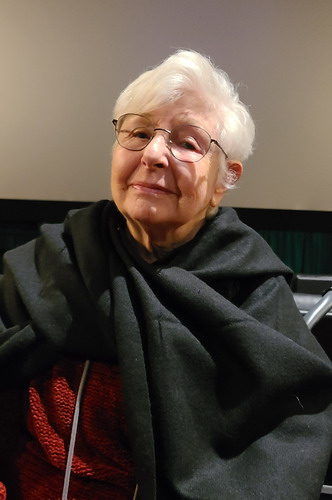 iving day. We wanted to see part 2 of Wicked – Wicked for Good. We saw part one last year and have been eagerly awaiting part two. It was wonderful. We really enjoyed it. The message was deep and meaningful on many fronts. iving day. We wanted to see part 2 of Wicked – Wicked for Good. We saw part one last year and have been eagerly awaiting part two. It was wonderful. We really enjoyed it. The message was deep and meaningful on many fronts.
Bananas in smoothies bad?
A new study from UC Davis has shown that adding  a banana to your breakfast smoothie blocks the absorption of the healthy polyphenols found in berries or dark chocolate by 84%. Apples do the same thing. a banana to your breakfast smoothie blocks the absorption of the healthy polyphenols found in berries or dark chocolate by 84%. Apples do the same thing.
More
___________________________
“The power of now. There is only this now moment. All action and all feeling only exist in this now moment. The past is gone and the future doesn’t exist yet. “
~David DeLapp
_____________________________________
Epstein-Barr virus found to be the cause of Lupus

Lupus is a terrible disease that can mimic almost any other disease. Over a million Americans have this disease. Epstein-Barr virus has now been tagged as the cause of Lupus. The problem is almost every one of us has this virus.
More
____________________________
“Energy flows where the attention goes. Your only control in life is over your attention. What you pay attention to increases in your life..“
~David DeLapp
________________________________________
Fat cells used to heal spinal fractures
New work has demonstrated the ability to extract fa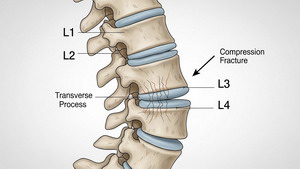 t tissue and turn it into bone healing stem cells, which can then be injected into spinal compression fractures to heal them. t tissue and turn it into bone healing stem cells, which can then be injected into spinal compression fractures to heal them.
More
________________________
“Principle of limitlessness. Our energy has no limits. Separation is an illusion. We are all interconnected energetically.“
~David DeLapp
|
|