Light does more than help us see. Sunlight and the lights in our homes and offices affect our sleep, mood, energy, and s kin. A lot of health claims about light are circulating right now, so this issue covers what’s well supported, what’s promising but early, and how to use light wisely. kin. A lot of health claims about light are circulating right now, so this issue covers what’s well supported, what’s promising but early, and how to use light wisely.
Your body runs on light signals.
Deep inside your brain is a master clock that tells your body when to be alert and when to wind down. Its most important cue is light, especially bright daylight. Getting enough at the right time helps you fall asleep more easily, feel more awake by day, and keep a steadier mood.
The trouble is that modern life keeps us indoors, where even a well-lit room is far dimmer than a cloudy day outside. Many of us live in dim days and bright evenings, which is the opposite of what the body clock expects.
Simple steps that help:
Get outside early. Even 20-30 minutes of morning daylight helps set your clock, and it doesn’t have to be sunny. A cloudy sky is still much brighter than indoor lighting. daylight helps set your clock, and it doesn’t have to be sunny. A cloudy sky is still much brighter than indoor lighting.
- Brighten your days. Work near a window when you can, and take breaks outdoors.
- Dim your evenings. Lower the lights and use warmer, softer bulbs in the hours before bed.
- Sleep in real darkness. Even small amounts of light in the bedroom can disturb sleep.
Bright light therapy from a special light box is also a well-established treatment for seasonal depression. If winter drags your mood down, ask us about it.
Sunshine: the good and the risks
Sunlight helps your skin make vitamin D, which matters for bones and muscles. But the sun’s ultraviolet rays are also the main cause of skin cancer and skin aging, so this is a balance.
Some points worth knowing:
- Sunburns matter most. For melanoma, the most serious skin cancer, sudden bursts of strong sun (a burn on vacation, a long day at the lake after months indoors) appear to carry more risk than steady, everyday outdoor time. Research on outdoor workers versus office workers has been mixed and complicated, but one message is consistent: avoid burning.
- Protect the exposed spots. People who spend years working outdoors are more likely to develop skin cancers on the face, ears, and neck. Hats, shade, and sunscreen make a difference.
- Vitamin D doesn’t have to come from the sun. If you’re concerned about your level, a simple blood test and, if needed, a supplement are safer than seeking extra sun. In winter at many latitudes, the sun is too weak to make much vitamin D anyway.
- Know your risk. Fair skin, many moles, a family history of skin cancer, and certain medications that make skin sun-sensitive all raise your risk. Ask us if you’re unsure.
- Get skin checks. Tell us about any mole or spot that changes in size, shape, or color.
Red-light therapy: real science, early days
You’ve probably seen red-light and “near-infrared” de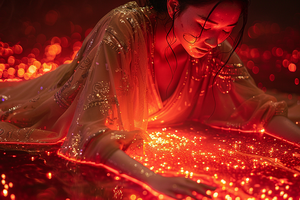 vices advertised: masks, panels, wraps, and even helmets. The idea is that certain gentle lights can influence how the energy-producing parts of our cells work. This field is often called photobiomodulation, and it is real science, but it is still young. vices advertised: masks, panels, wraps, and even helmets. The idea is that certain gentle lights can influence how the energy-producing parts of our cells work. This field is often called photobiomodulation, and it is real science, but it is still young.
Where the evidence is stronger:
- Easing painful mouth sores in individuals undergoing some cancer treatments
- Supporting the healing of specific wounds
- Providing some relief from pain and for hair regrowth
Where it’s promising but early:
- Children’s eyesight. Repeated low-level red ligh
 t has slowed nearsightedness in some trials, though specialists are still studying long-term safety. t has slowed nearsightedness in some trials, though specialists are still studying long-term safety.
- Aging eyes. A UK research group reported that a few minutes of deep red light in the morning improved some older adults’ ability to distinguish colors. The results were interesting, but the studies were small, and it’s not yet known whether they translate into lasting benefit or disease protection.
- Memory and thinking. Small studies of light helmets and headbands have reported improvements in memory in healthy adults. But these studies were small and short, and independent groups haven’t confirmed them yet. It is unclear whether light can reach the parts of the brain most involved in memory, and these results shouldn’t be read as a treatment for dementia.
Where claims are running ahead of the science: Many products promise to boost energy, cure disease, or rev erse aging. Rigorous evidence for most of these claims doesn’t exist yet. erse aging. Rigorous evidence for most of these claims doesn’t exist yet.
If you’re thinking about buying a light device,
Because this field is growing fast, here are some questions worth asking:
- Has it been tested on people like me? Look for studies in humans, with a comparison group, for your specific concern.
- Who paid for the research? Studies funded by the maker are not automatically wrong, but independent confirmation carries more weight.
- Is the claim reasonable? “May help” is more honest than “cures.”
- Is it safe for my eyes? Some invisible lights can reach your eyes without your noticing. Follow the maker’s eye-safety directions.
- Could it interfere with my care? Tell us before using devices if you’re pregnant, have a history of skin cancer, or take medications that make skin sensitive to light.
Also keep in mind that no device replaces the basics: a regular sleep schedule, daily movement, and time outdoors.
The Bottom Line
- Daylight, especially in the morning, is one of the
 simplest and best-supported health habits. simplest and best-supported health habits.
- Protect your skin from burns and check it regularly.
- Red-light therapy is an interesting area of science, not a proven cure-all.
- The field is still learning, and honest answers sometimes sound like “we don’t know yet.”
Take care,
David
Colloidal Silver is back and available in the office. Silver has quadrupled in price over the last two years, so the price we have it for in the office is a real steal!
Ellen
Ellen tried a fun experiment a few days ago. She had me soak her hair with hypochlorous acid after her shower. I wrote about this amazing stuff a few weeks back. It is what our immune system uses to fight off bacteria. Well after drying her hair she found that it had twice as many curls as usual and was super fluffy. We don’t know how permanent this is, but they are still there after a normal wash this morning. system uses to fight off bacteria. Well after drying her hair she found that it had twice as many curls as usual and was super fluffy. We don’t know how permanent this is, but they are still there after a normal wash this morning.
Large study finds no risk to Chiropractic neck adjustments
The widespread concern about certain forceful neck adjustments causing a tear in the artery feeding the base of the brain has been studied analyzing data from over 862,000 adults. Thou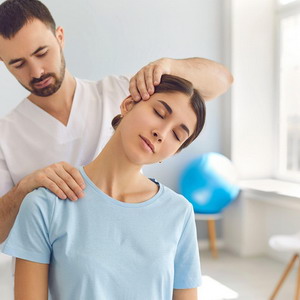 gh rare, the artery tears do happen to people whether they have Chiropractic adjustments or not. In fact it occurs almost twice as often in folks that take ibuprofen for headaches compared to getting Chiropractic adjustments. gh rare, the artery tears do happen to people whether they have Chiropractic adjustments or not. In fact it occurs almost twice as often in folks that take ibuprofen for headaches compared to getting Chiropractic adjustments.
More
___________________________
“Creating value for yourself to others promotes connection. The key is to outflow aspects of who you are that have value to others, and avoid losing yourself by simply being what they want to get their approval.“
~David DeLapp
_____________________________________
Stem cells for osteoporosis
A first human study of the use of stem cells for osteopo rosis showed a decrease of fractures of 94% over 2 years. The study only had 10 women in it so this is not available yet, but it looks like it is coming. The stem cells came from the patients and the results came from only 1 infusion of the stem cells. rosis showed a decrease of fractures of 94% over 2 years. The study only had 10 women in it so this is not available yet, but it looks like it is coming. The stem cells came from the patients and the results came from only 1 infusion of the stem cells.
More
____________________________
“When you hold on to an attitude or belief about life and people that conflicts with your experience of what is, you block your ability to develop a new version of self that can adapt to what is more effectively.“
~David DeLapp
________________________________________
Creatine for building muscle mass
A recent study has shown that consuming just 10 grams of creatine daily helped folks build greater muscle even without exercise. Those that did exercise saw greater gains, but lean muscle mass increased in folks even when they were trying to lose weight. Typically weight loss causes more muscle weight to be lost than fat mass. without exercise. Those that did exercise saw greater gains, but lean muscle mass increased in folks even when they were trying to lose weight. Typically weight loss causes more muscle weight to be lost than fat mass.
More
|
|