Many patients describe it the same way:
“My brain feels cloudy or slow.”
“I get anxious or spacey after eating.”
“I feel drunk or off-balance even though I don’t drink.”
“I’m exhausted after meals, especially carbs.”
These symptoms are often frustrating because routine lab tests are normal, and nothing obvious explains why they come and go—sometimes within an hour or two after eating.
For some people, these symptoms are not coming from the brain at all, but from the gut—specifically from a little-known metabolic byproduct called D-lactate.
What Is D-Lactate?
Most people have heard of lactic acid, which is pr oduced when muscles work hard. That familiar form is called L-lactate, and the human body knows exactly how to handle it.
D-lactate is different.
- It is not made in meaningful amounts by human cells
- It is produced mainly by certain gut bacteria
- Humans have a limited ability to break it down
- When D-lactate builds up, it can circulate in the bloodstream and reach the brain, where it interferes with normal energy metabolism.
How Does D-Lactate Build Up?
D-lactate tends to accumulate when gut bacteria ferment carbohydrates faster than the body can manage.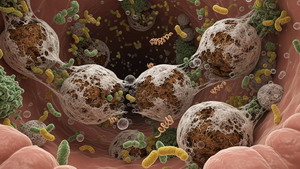
This can happen after:
- Antibiotic use
- Gut infections
- Digestive slowing or bloating (like with GLP1 drugs)
- Overuse of probiotics
- High intake of fermentable fibers or sugars
- Conditions like SIBO or gut dysbiosis
Certain carbohydrates and fibers act like fuel for D-lactate–producing bacteria. When fermentation happens too high in the digestive tract or too rapidly, D-lactate can be absorbed into the bloodstream instead of being safely processed in the colon.
Why Can D-Lactate Cause Brain Fog and Anxiety?
D-lactate affects the body differently than normal la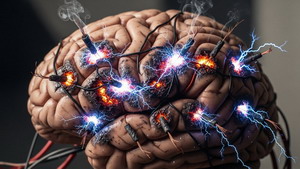 ctate:
- It disrupts brain energy metabolism
- It alters acid-base balance in sensitive tissues
- It interferes with how mitochondria produce energy
- It can exaggerate fatigue, anxiety, and cognitive slowing
This is why symptoms often:
- Appear after meals
- Are worse after carbohydrates or fiber supplements
- Improve when fermentable foods are reduced
- Importantly, standard blood tests usually do not measure D-lactate, so the problem can be missed.
The Good News: This Is Often Reversible
When D-lactate is contributing to symptoms, improvement can be dramatic once the gut environment is calmed and metabolism is supported.
Below is a simplified, patient-friendly plan designed to reduce D-lactate burden and allow the gut and brain to recover.
Key minerals—such as zinc, copper, selenium, and silicon—play roles in wound healing, pigmentation balance, and skin structure. A whole-food, nutrient-dense diet is the best foundation.
A Simple Plan to Reduce D-Lactate and Clear Brain Fog
STEP 1: Calm Gut Fermentation (First 2–3 Weeks)
Goal: Reduce the fuel feeding D-lactate–producing ba cteria.
Temporarily limit:
- Sugar and sweets
- Large portions of bread, pasta, pastries
- Highly fermentable fibers like inulin or chicory root
- Fiber-fortified bars, shakes, and supplements
- Sugar alcohols (xylitol, sorbitol, erythritol)
Focus on:
- Simple, well-tolerated meals
- Protein with each meal
- Cooked vegetables instead of raw
- Moderate portions of easily digested starches (rice, potatoes)
Many patients notice clearer thinking within days to weeks.
STEP 2: Pause Certain Probiotics
Not all probiotics are helpful in this situation.
Temporarily avoid:
- High-dose, multi-strain probiotics
- Products heavy in Lactobacillus strains unless specifically recommended
For some patients, stopping probiotics for a few weeks leads to improvement.
This does not mean probiotics are bad—it means timing matters.
STEP 3: Support Gentle Gut Function
Spacing meals 4–5 hours apart (instead of constant snacking) allows the gut’s natural cleansing waves (peristalsis) to function better and reduces fermentation. (Again, peristalsis is directly inhibited by GLP1 meds.)
Helpful habits:
- Avoid grazing
- Light movement after meals
- Consistent sleep schedule
STEP 4: Reintroduce Fiber Carefully (This Matters)
Fiber is important—but the type and timing are cr itical.
Early on, avoid strong prebiotic fibers like:
Instead, if fiber is needed, start with gentler options, such as:
Partially Hydrolyzed Guar Gum (PHGG)
- Ferments slowly
- Is generally well tolerated
- Less likely to spike D-lactate
- Often supports regularity without brain fog
Start low and increase gradually only if symptoms remain stable.
STEP 5: Support Energy MetabolismCertain nutrients help the body process organic aci ds more efficiently:
- Vitamin B1 (thiamine)
- Magnesium
- Riboflavin (B2)
These support normal energy flow and may reduce sensitivity to D-lactate during recovery.
When to Expect Improvement
Many patients notice:
- Less brain fog after meals
- More stable energy
- Reduced anxiety or “wired-but-tired” feelings
- Improved digestion
Progress is often stepwise, not instant. If symptoms return after adding a new food or supplement, that’s useful feedback—not failure.
A Reassuring Perspective
If this pattern fits you, it does not mean somethin g is permanently wrong.
It means:
Your gut bacteria and your metabolism are temporarily out of sync.
With the right sequence—calming fermentation first, then rebuilding carefully—many people recover clarity, energy, and confidence in their digestion again.
A Final Thought
If you’ve been told your symptoms are “just stress” or “all in your head,” please know this:
Brain fog can be biochemical, reversible, and gut-driven.
And with the right approach, it can improve.
Take care,
David
Ellen
Well it looks like the insurance company has decided that Ellen has been laying around long enough, so they are dischar ging her today (Sunday). Her pneumonia is resolved, but she is not able to get out of bed or stand up yet. I guess we will be doing her rehab at home.
Coffee and heart health
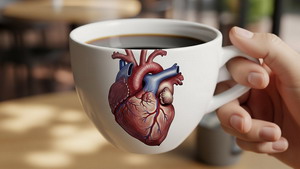
Despite the decades of advice from doctors that you should avoid coffee if you have heart atrial fibrillation, this new study actually shows that coffee decreases this heart problem.
More
___________________________
“Positivity is built out of who you are, negativity is built out of what you have and don’t have. There is no lack in who you are, simply unmanifested abilities. Conversely there are never enough possessions to fill the inner void.“
~David DeLapp
_____________________________________
Adding potassium better than lowering sodium for blood pressure
More decades of bad advice by doctors is now showi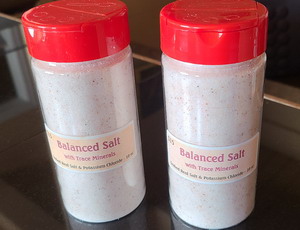 ng up with the forever advice to lower salt to control blood pressure. New research now agrees with what I have been telling patients for the last 40 years – add more potassium instead. I do that with my Balanced Salt which has equal amounts of sodium and potassium.
More
____________________________
“Respect requires us to allow people to experience their suffering without us trying to change or fix it unless they ask us to do so. Their suffering is their perfect creation to help them detach from beliefs that are blocking their path to God.“
~David DeLapp
________________________________________
GLP-1 weight loss rebounds within 2 years
Most people who have used GLP-1 drugs for weight loss stop using them once their weight loss goals have been reac hed. Studies are now showing that all that lost weight comes back in less than 2 years – faster than with other forms of weight loss. To be effective such weight loss drugs need to be coupled with developing healthy dietary lifestyle choices, not just eating less.
More
________________________
“Everyone is different and their feeling reactions to everything in life are different. For this reason, you can not reliably make another person be happy by your actions, because you have no idea how they will react to your actions.“
~David DeLapp