
Key concept: fermented dairy is a powerful resource for gut health.
|
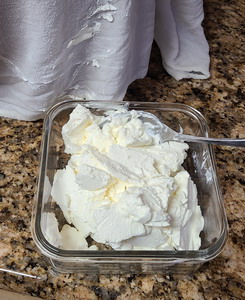
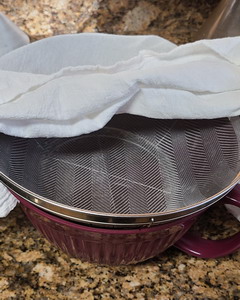
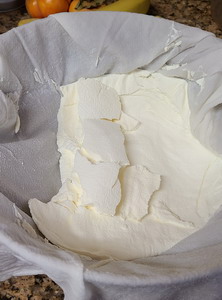
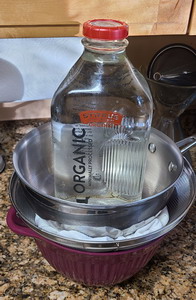
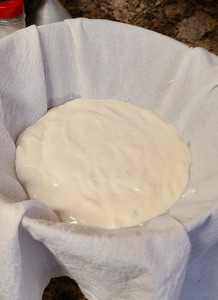
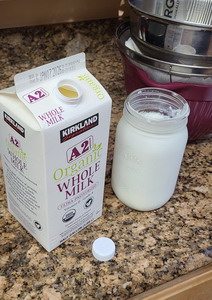
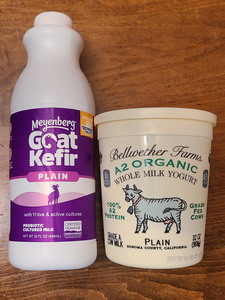
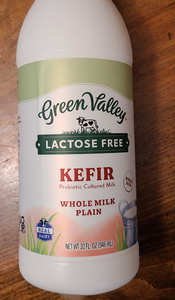
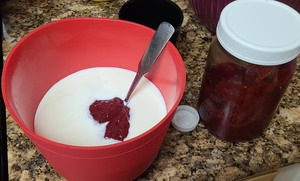
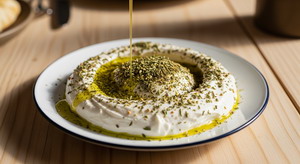
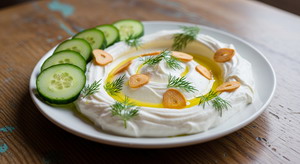
Over the past few weeks, I’ve embarked on a culinary a What Is Labneh? Labneh, a thick and creamy cheese, is made by straining yogurt or kefir to remove the liquid whey. This results in a pro The simplicity of labneh lies in its traditional method. All you need is plain yogurt or kefir, cheesecloth, a strainer, an The Nutritional Advantages One of the most compelling aspects of labneh is its conc Protein concentration: While you do lose some whey protein in the draining liquid (roughly 20% of the total protein), the casein proteins remain in the strained product. Because you’re also removing water weight, labneh actually contains approximately double the protein density of the yogurt you started with. This makes it an excellent protein source, particularly satisfying for breakfast or as a snack. Reduced lactose: This is particularly important for patients with lactose sensitivity. During fermentation, bacteria consume most of the lactose, converting it to lactic acid. Regular yogurt If you make labneh from kefir, the lactose reduction is even more dramatic. Kefir undergoes longer and more complete fermentation, often consuming 90 to 99% of the lactose, especially with extended fermentation times. Straining kefir to make labneh removes what little lactose remains, creating a nearly lactose-free dairy product that many lactose-intolerant individuals can enjoy without digestive upset. Probiotic benefits: Both yogurt and kefir are excellent sources of beneficial bacteria, but kefir is particularly impressive, typically containing 30 to 50 different strains of probiotics compared to yogurt’s 2 to 10 strains. When you make labneh from kefi My Experience with A2 Milk In my personal experimentation, I’ve been using A2 milk exclusively for making both kefir and yogurt. This choice r Most commercial cow’s milk contains both A1 and A2 beta-casein proteins. During digestion, A1 beta-casein can break down to produce beta-casomorphin-7 (BCM-7), a peptide that some research suggests may cause digestive discomfort in certain individuals. A2 milk contains only A2 beta-casein, which doesn’t produce BCM-7 in the same way. I’ve personally found that I digest A2 milk better, without Kefir Labneh vs. Yogurt Labneh Having now made labneh from both kefir and yogurt, I’ve found the taste and texture to be remarkably similar. Both produce a thick, creamy, tangy cheese that benefits from a pinch of sa The process is identical for both: strain through cheesecloth for 12 to 24 hours in the refrigerator. One bonus tip: don’t discard the liquid whey that drains off. This whey is packed with probiotics and can be used in smoothies, as a base for salad dressings, in baking as a buttermilk substitute, or even to ferment vegetables. Flavoring Your Labneh Plain labneh with a bit of salt is wonderful, but the p One of the most traditional and delicious ways to serve labneh is with za’atar, a Middle Eastern spice blend typically Other excellent flavor combinations include roasted garlic and herbs, honey with crushed pistachios, cucumber wit Why I’m Sharing This As a physician, I’m always looking for simple, evidence-based approaches to support my patients’ health. Making For patients dealing with digestive issues, inflammati If you’re interested in trying this yourself, start simple. Buy some plain, full-fat yogurt or kefir (preferably organic and from A2 milk if available), strain it overnight, add a pinch of salt, and taste the results. You might just discover, as I have, that this ancient food has an important place in modern wellness. I encourage you to experiment and discover what work Take care, David
Ellen Ellen has been working on a special project for one of her clients – Mr. Preying Mantis. This image appeared to the cli
|
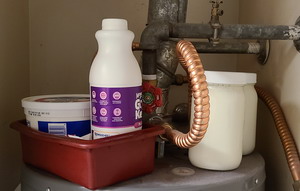




|
|
Rejuvenate your immune system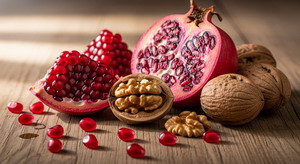
A substance derived from gut bacteria when they digest pomegranates and walnuts has been found to reprogram parts of our immune system and cause it to form new mitochondria. That is like replacing their engines so they run like new.
___________________________
~David DeLapp
_____________________________________
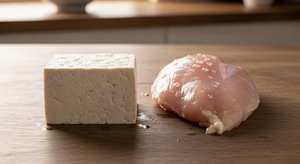
A nine day study of folks eating animal sources of protein compared to plant sources that were carefully mixed to produce the same balance of amino acids as meat demonstrated that it made no difference what the source was. The best protein is the protein you put into your mouth.
____________________________
“The principle of love. We can only love others to the degree that we honor, respect, and love ourselves.“
~David DeLapp
________________________________________
Do ketogenic diets help depression?
A poorly done survey of 50 low carbohydrate studies concluded that ketogenic diets provide mild to moderate impr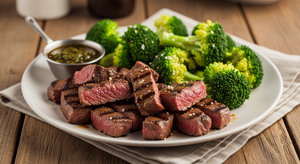 ovement in patients with depression. My issue with this survey is the authors have no idea what a ketogenic diet is. The were comparing studies of diets with carb levels of 10 to 20%. An actual ketogenic diet is only 5% carbs – about 80 calories, not the 200 to 400 calories these studies used. Never the less in subjects that did show ketones in their blood the results on depression were quite good.
________________________
“Your value is measured in the reception of your service to others. Your value is in your participation, not in your mere existence.“
~David DeLapp