You’ve probably heard advice to avoid “processed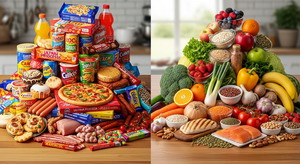 foods” and eat “whole foods,” but what does that really mean? A classification system called NOVA has become popular for thinking about how our food is made. While it offers some useful insights, it’s important to understand both its benefits and limitations when making choices about what to eat.
What Is NOVA?
Researchers in Brazil developed NOVA to categorize foods based on how much they’ve been altered from their natural state. The system has four groups:
Group 1 includes unprocessed or minimally processed foods like fresh fruits and vegetables, eggs, meat, milk, and 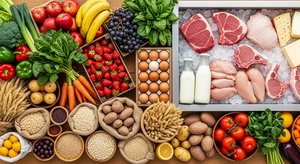 grains. These foods are cleaned, frozen, or pasteurized but don’t have added ingredients.
Group 2 covers basic cooking ingredients extracte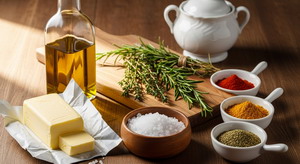 d from whole foods—things like olive oil, butter, salt, and sugar that you use to prepare meals.
Group 3 includes processed foods made by combining
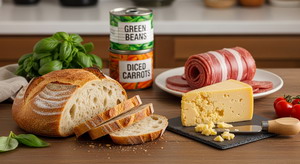 Groups 1 and 2, such as canned vegetables, cheese, freshly baked bread, and cured meats. These typically have just a few recognizable ingredients.
Group 4 is where things get controversial. These “ultra-processed foods”
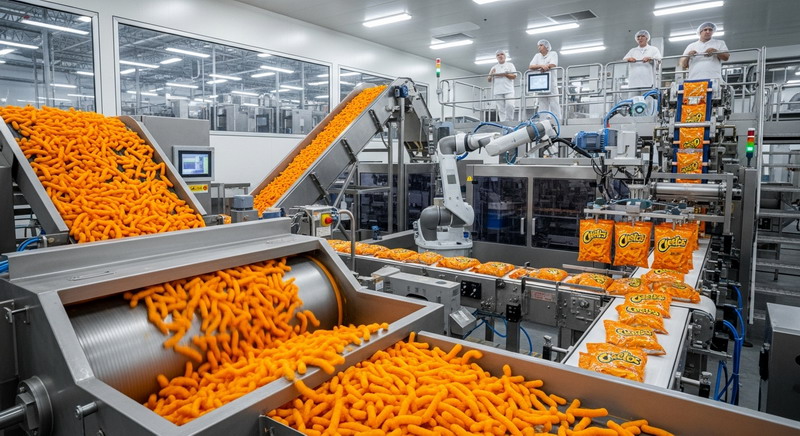
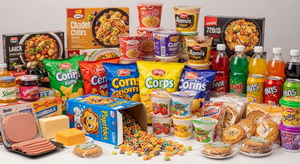 are industrial formulations with many ingredients, including substances you wouldn’t use at home—emulsifiers, artificial colors, flavor enhancers, and preservatives. Think packaged snacks, soft drinks, instant noodles, and most mass-produced breads and sweets.
Why Did We Start Processing Food Anyway?
Before we judge processed foods too harshly, it helps to understand why food processing became necessary. In the 1800s and early 1900s, most people lived on farms or close to where food was grown. Families spent hours each day preparing meals from scratch.
Industrialization changed everything. People moved  to cities for factory work, spending long days away from home with little time or space for cooking. Food had to travel farther, and without refrigeration, spoilage was a constant danger and a major cause of illness.
Technologies like canning and pasteurization were genuine breakthroughs that made food safer and more available.
As more women entered the workforce in the 20t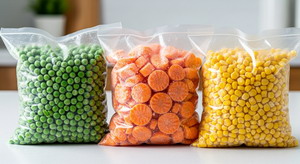 h century, the time available for home cooking shrank dramatically. Processed foods weren’t just about convenience—they solved real problems of how to feed families when everyone was working. Frozen vegetables brought nutrition to northern climates in winter. Fortified foods eliminated diseases caused by vitamin deficiencies.
The trouble is that food processing didn’t stop at solv ing these practical problems. By the late 20th century, food companies were engineering products specifically to be as appealing as possible, using combinations of salt, sugar, and fat designed to encourage overconsumption. The goal shifted from “making nutritious food available” to “creating products that maximize sales.”
What NOVA Gets Right
The NOVA system offers a simple way to think abou t food that doesn’t require counting calories or nutrients. Research has found links between high consumption of ultra-processed foods and increased risk of obesity, heart disease, diabetes, and certain cancers.
For many people, the advice to eat mostly whole foods and limit ultra-processed products is genuinely helpful. It encourages cooking at home, choosing recognizable ingredients, and avoiding foods engineered to be irresistible rather than nourishing.
Where NOVA Falls Short
The issue is that NOVA prioritizes processing level as t he sole factor, overlooking the much greater complexity of nutrition.
“Natural” doesn’t automatically mean healthy. Sugar is sugar whether it comes from organic cane, honey, or high-fructose corn syrup. Eating too much of any kind creates the same problems—insulin resistance, inflammation, and increased disease risk. A homemade cake with unrefined flour and raw honey is minimally processed by NOVA standards, but eating it daily isn’t any healthier than eating packaged cookies.
The same goes for oils. Just because an oil is cold-pressed and unrefined doesn’t mean it’s good for you if it’s been sitting in a clear bottle in the sunlight, turning rancid and creating harmful compounds. How oils are stored and used in cooking matters as much as how they’re processed.
Your body is unique. This is where NOVA really misses the mark. The system assumes everyone responds to foods the sam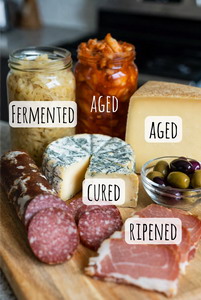 e way, but that’s simply not true.
If you have histamine intolerance, perfectly healthy “whole foods” like aged cheese, fermented vegetables, tomatoes, spinach, and leftovers might make you feel terrible. For you, some ultra-processed foods could actually be better tolerated than traditional fermented foods that health experts recommend.
People sensitive to oxalates may struggle with nutr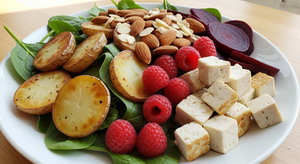 itional superstars like spinach, Swiss chard, almonds, and sweet potatoes, which can contribute to kidney stones or joint pain. Meanwhile, they might do fine with certain processed foods lower in oxalates.
Those with lactose intolerance, celiac disease, or other food sensitivities often need to make choices that don’t align with NOVA’s categories at all. A person with celiac disease eating gluten-free processed foods is making a much healthier choice than eating minimally processed whole wheat bread.
Quality varies enormously within categories. NOVA treats all Group 1 foods the same, but factory-farmed meat is very different from pastured meat. Conventionally grown produce with pesticide residues differs from organic. Fresh local vegetables aren’t the same as produce picked weeks ago and shipped across the country. The system can’t distinguish between these important variations.
Using NOVA Wisely
So should you ignore NOVA entirely? Not necessa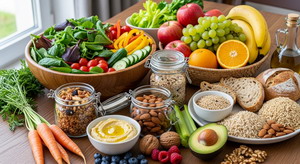 rily. As a general guide, it makes sense to build your diet primarily around whole foods and limit heavily processed products when possible. But use it as a starting point, not a rigid rule.
Pay attention to how much sugar you’re eating, regardless of the source. Make sure your fats and oils are fresh and stored properly. Most importantly, learn which foods work for your particular body. If certain “healthy” whole foods make you feel unwell, trust that experience.
NOVA is most valuable for highlighting how dramati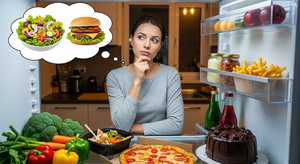 cally our food system has changed and encouraging us to think about what we’re eating. But it can’t replace individualized thinking about nutrition that accounts for portions, quality, personal tolerance, and the realities of your daily life.
The goal isn’t perfection or rigid adherence to any classification system. It’s finding a sustainable way of eating that nourishes your body, fits your circumstances, and supports your long-term health.
Take care,
David
Ellen
It is Thursday night and it is time for a hair washing! One of the challenges of being unable to do more than stand up briefly is that you can’t get into the bathroom to do things like t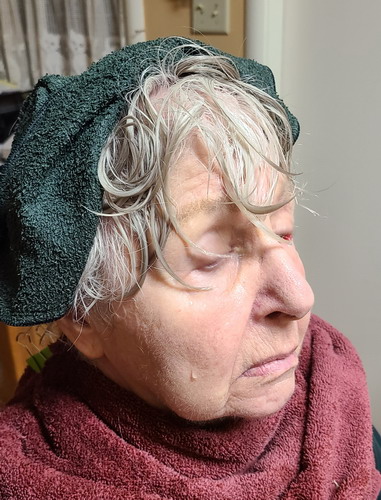 ake showers and wash your hair. So that means your loving companion gets to experiment with giving you a hair wash while you are sitting in your wheelchair. Things look pretty sketchy at this point in the process, but after a good blow dry things were looking pretty good!
Why humans can’t produce their own vitamin C
As part of a clever evolutionary defense against pa rasites we stopped making our own vitamin C about 60 million years ago. Parasites can’t make vitamin C either. So when they infest us, it makes it much harder for them to thrive inside us.
___________________________
~David DeLapp
_____________________________________

Researchers have discovered a compound they named Mic-628 that advances our internal clock so that we can adjust to the local time zone after traveling or for shift workers. Human trials to make sure that it does not cause you to grow a second head are being planned. But we may have a real answer to jet lag soon!
____________________________
“The desire for security is the desire to be separate from the uncertainties of life, yet it is this separateness from life that produces our insecurity. Life is constant change. True security comes from learning to embrace and adapt to change. “
~David DeLapp
________________________________________
Heavy metals and ADHD risk
A recent study analyzed ADHD kids with “normal” kids and found that those with high levels of lead were 5 times  more likely to have ADHD and those with high levels of copper were 16 times more likely.
________________________
“Your opinion is important when you have creative control over what is happening, if you don’t then your opinion means nothing. If we are not the creator, then what is just is. It is not for us to judge.“
~David DeLapp